

Are you an EMS provider, ambulance operator, or emergency response team looking to improve patient transport speed and safety? This guide breaks down the most essential EMS stretcher types—what each is best for, and how to choose the right one for your terrain, access constraints, and crew size.
The right stretcher reduces unnecessary lifting, improves maneuverability in tight spaces, and helps keep patients stable during transfer—especially when spinal injury is a concern.
Industry demand is growing, and stretchers/cots remain a core investment for emergency fleets. Now, let’s compare the key options used in real EMS scenarios.
What Are Stretchers and Why Are They Important?
A stretcher is a patient-transport device designed to support the body in a stable position during movement. From simple carry stretchers to advanced ambulance cots, the goal is the same: provide a secure platform so patients can be moved without adding avoidable risk.
In emergency response, that stability matters even more. Rough terrain, stairs, narrow hallways, and fast transfers can all increase the chance of unnecessary movement—so choosing the right stretcher type helps protect the patient and makes the crew’s job safer.
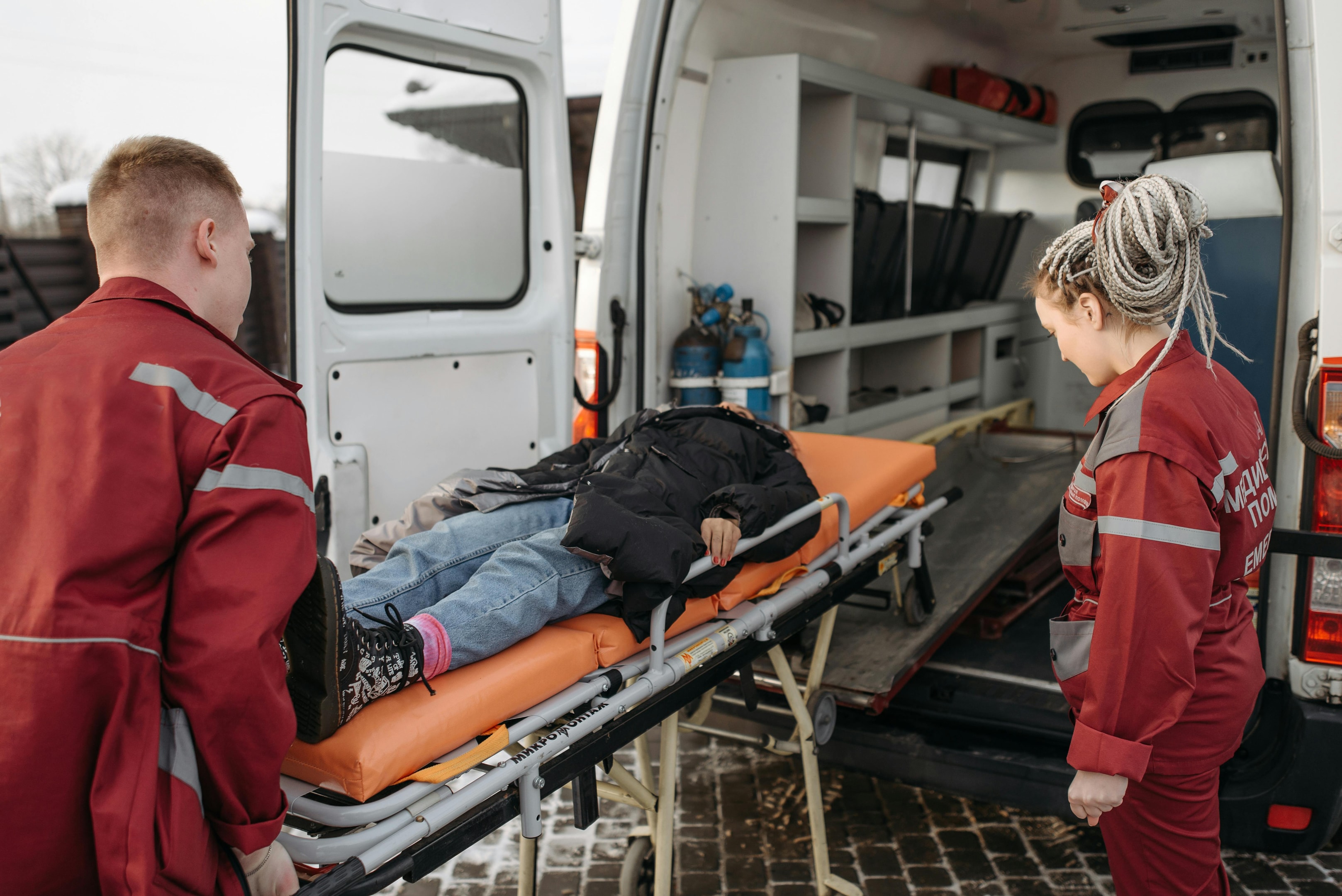
Types of Stretchers for Emergency Response
In EMS, stretcher choice depends on access, terrain, and transport distance. Below are the main stretcher categories commonly used in real emergency response workflows.
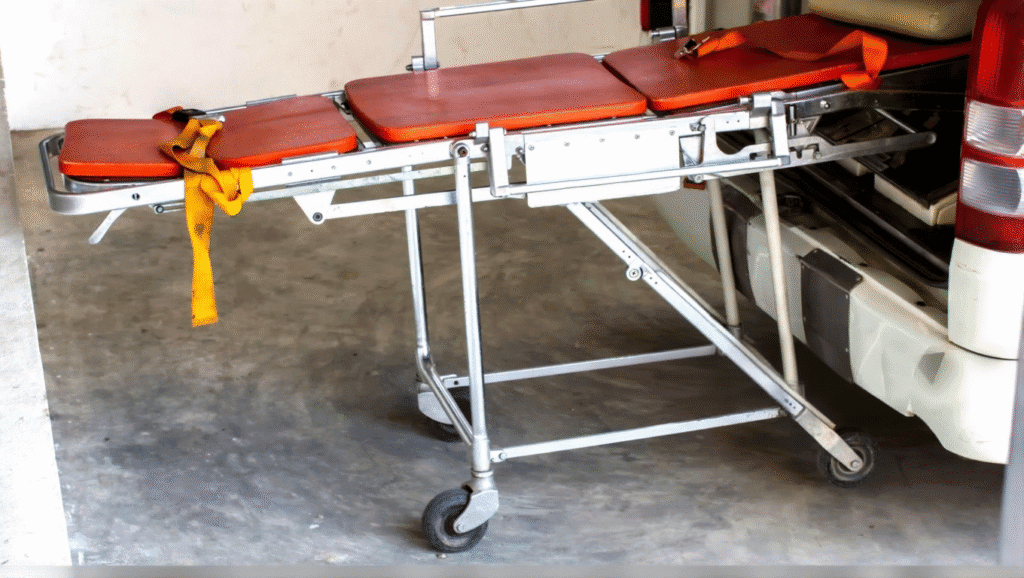
Ambulance Stretchers
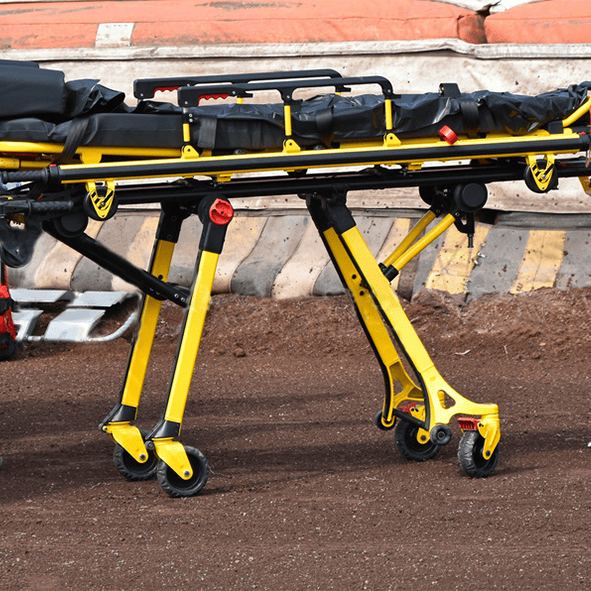
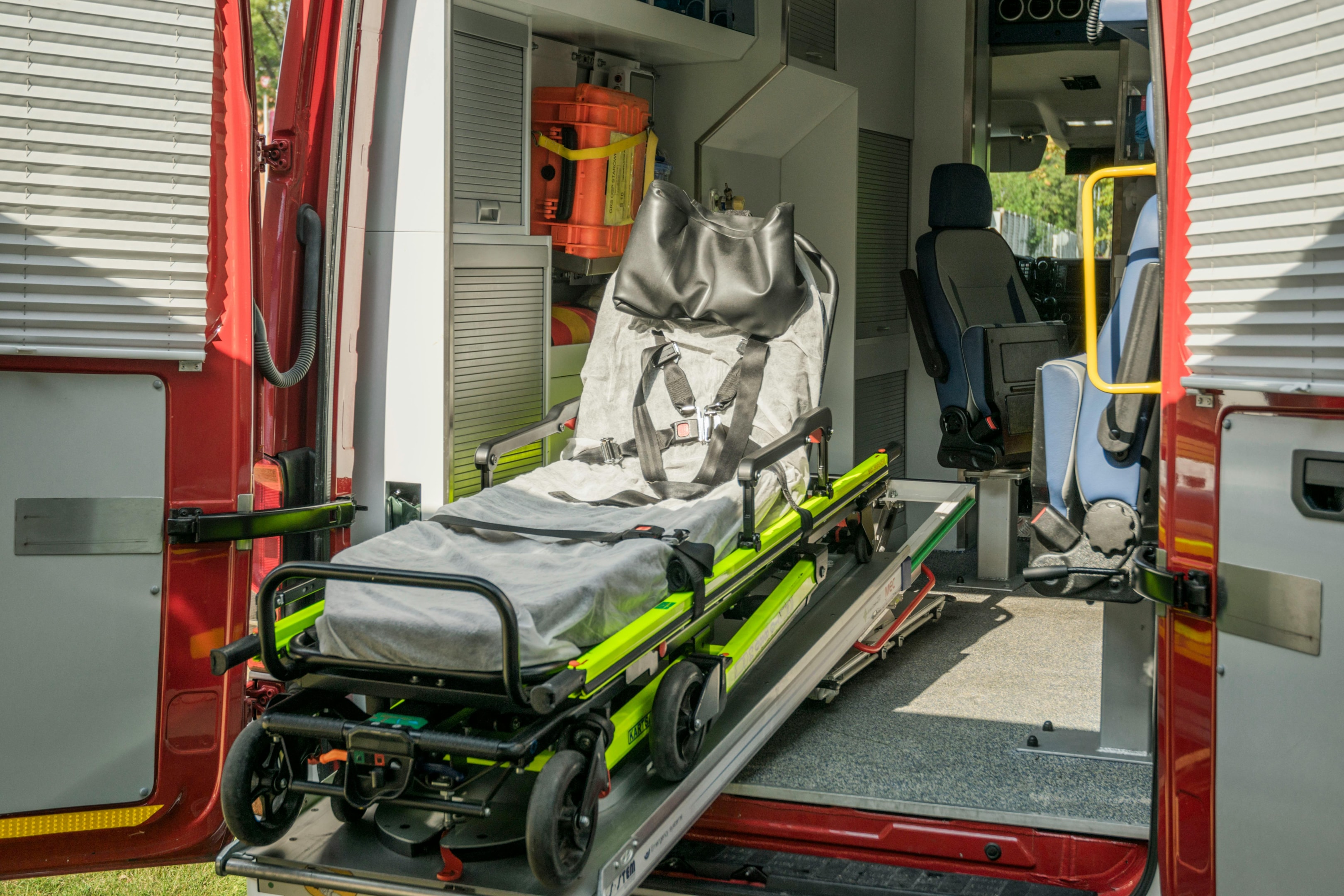
Ambulance stretchers (cots) are built for fast loading and stable transport from scene to ambulance. They typically use a wheeled frame and adjustable positioning to support routine EMS calls.
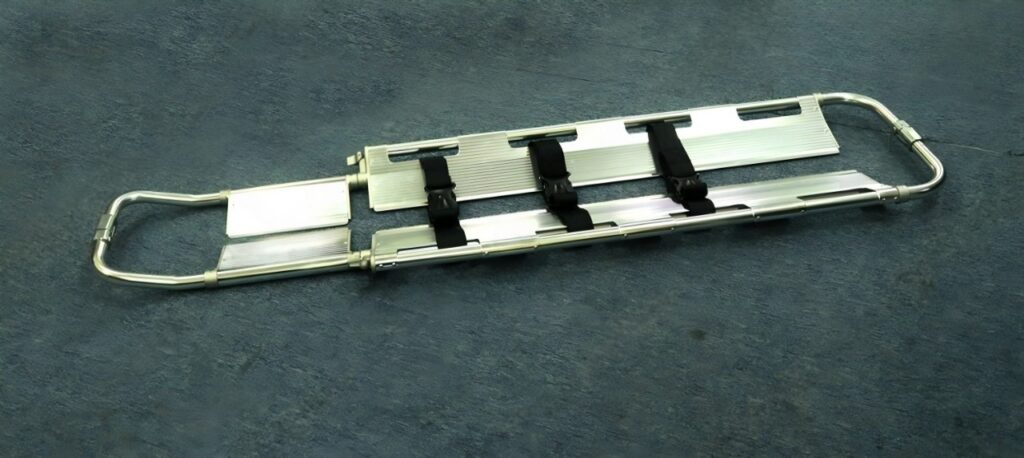
Emergency Stretchers
Emergency stretchers refer to rescue-focused options used when standard transport becomes difficult due to terrain or access constraints. This category commonly includes scoop and basket stretchers for trauma transfer and remote rescue scenarios.
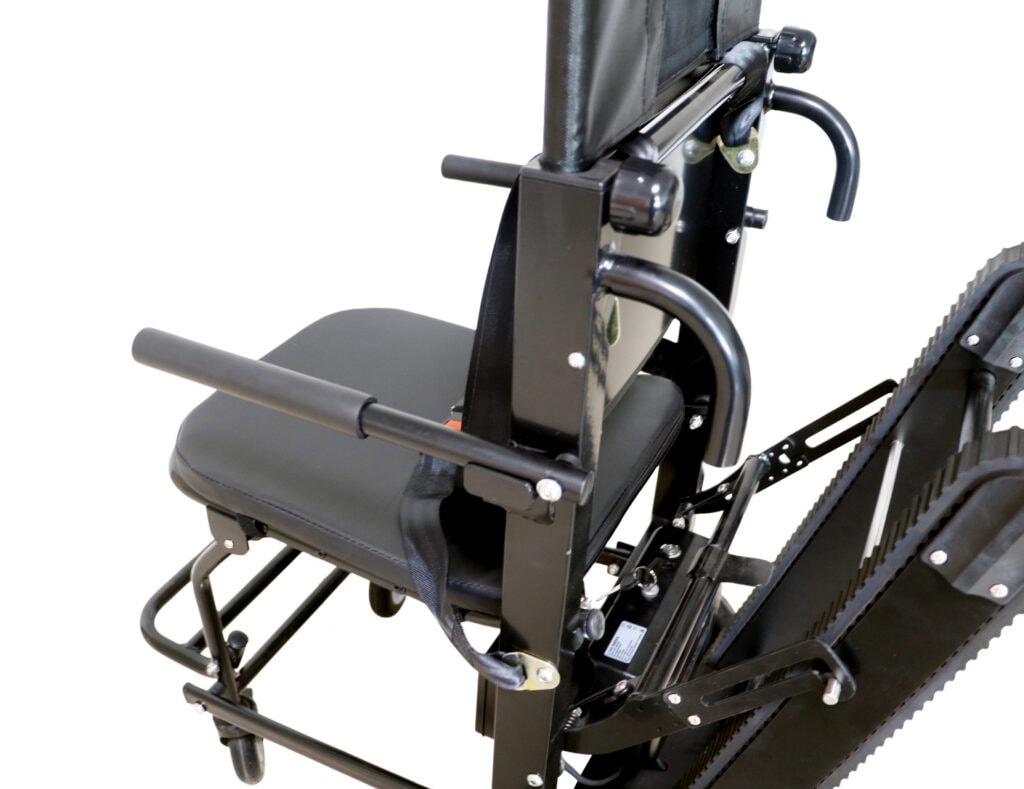
Stair Chair Stretchers
Stair chair stretchers are designed for tight access and multi-story buildings where stairs are unavoidable. They improve control during descent and ascent, helping reduce risky manual carrying while keeping patients stable in narrow hallways and stairwells.
Portable Stretchers
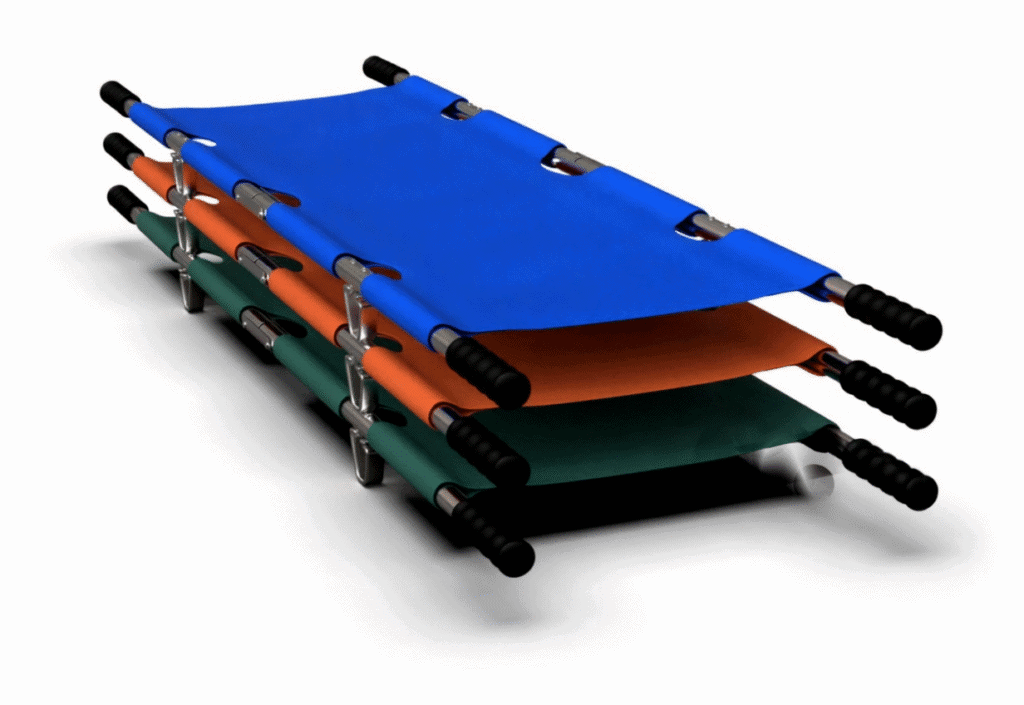
Portable stretchers are lightweight and quick to deploy when storage space is limited or access is tight. Folding and flexible designs are often used as backup units or for rapid evacuation in confined spaces.
Choosing the Right Stretcher for Your Emergency Response Needs
If you’re selecting stretchers for a fleet or program, focus on how the equipment performs in your most common calls—not just the spec sheet.
1) Match the Stretcher to Terrain and Access
Start with your environment.
If you respond to remote or hard-to-reach locations, choose lightweight, portable, and rescue-capable options (for example, folding, flexible, or other rescue-focused stretchers).
If your calls are mostly in urban settings with smooth pavement and long indoor corridors, wheeled transport becomes a practical priority because it reduces carrying and improves control.
2) Confirm Weight Capacity and Platform Size
Always match capacity and size to your real-world patient range.
If bariatric transport is common, prioritize higher safe working loads and a wider, more stable platform. For confined spaces, compact designs and foldability matter more.
3) Choose Features That Reduce Strain and Improve Control
Features should support your workflow, not complicate it.
Options like assisted loading mechanisms and reliable locking systems can reduce physical strain during frequent ambulance loading. Adjustable backrests, secure restraints, and quality padding can also improve patient comfort and stability during transport.
Key Features to Consider When Selecting a Stretcher
Mobility matters most when the scene is challenging, patient security matters most when transfers are fast, and hygiene matters every day.
- Mobility: wheels, tracks, or skids that match your terrain and access constraints
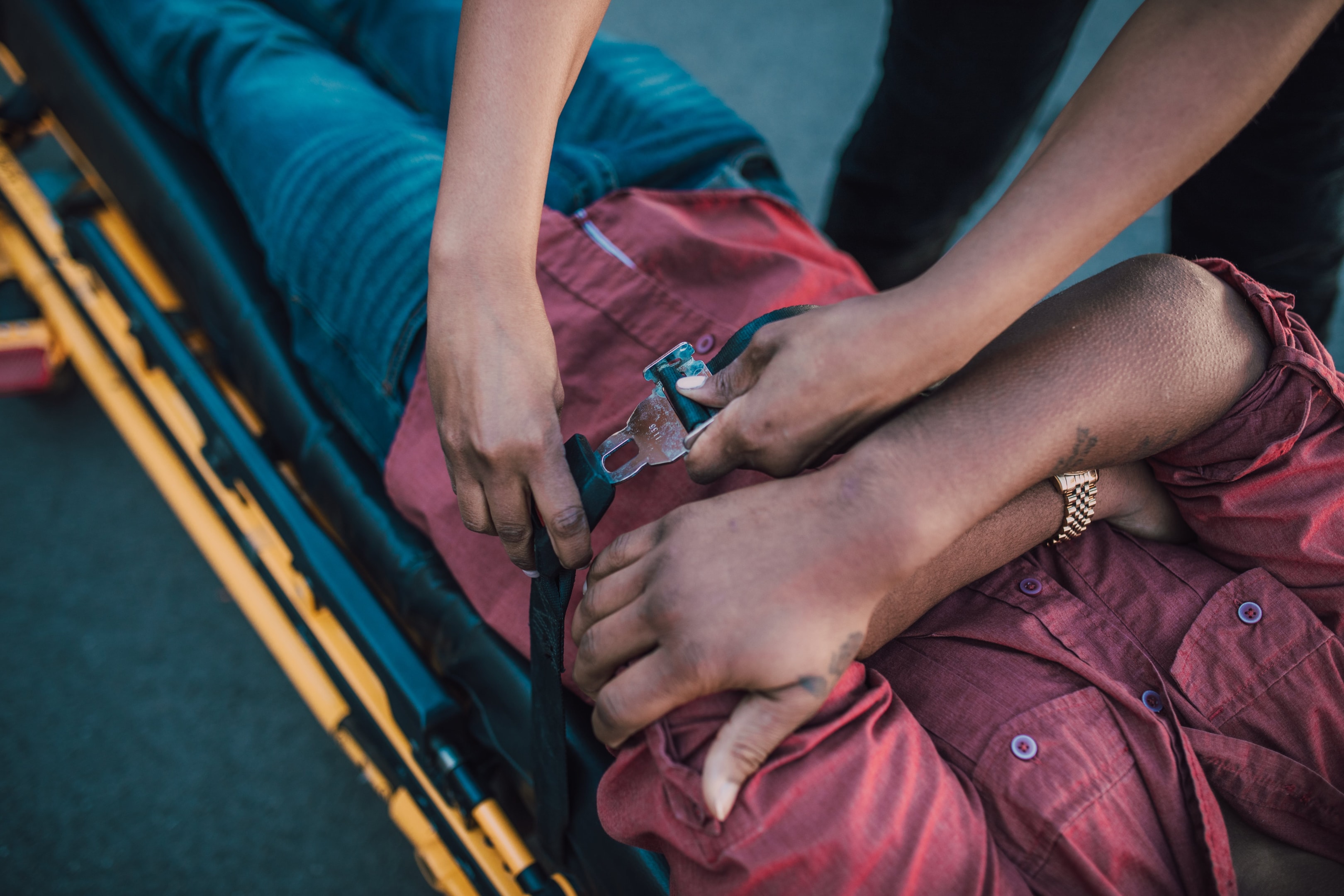
- Patient security: restraints and (if equipped) side rails to reduce movement during transport
- Durability + hygiene: a strong frame and surfaces that are easy to clean and disinfect for daily EMS use
Benefits of Using the Right Stretcher in Emergency Response
Here are some benefits of using the right stretcher in emergency response:
- Reduced risk of further injury to the patient by providing a stable and secure platform for transport.
- Reduced risk of injury to you and your team by minimizing the physical strain.
- Increased efficiency of emergency response situations, allowing you to focus on providing medical care rather than struggling with equipment.
Best Practices for Stretcher Use and Maintenance
Good equipment only performs well if it’s used consistently and maintained properly.
- Follow the manufacturer’s instructions for use, loading, locking, and maintenance.
- Inspect regularly for wear or damage—especially wheels, brakes/locks, and folding mechanisms.
- Train crews on the reality of your calls: stairs, tight hallways, uneven terrain, and fast transfers.
A simple, repeatable routine prevents avoidable failures in the field.
Final Thoughts!
Stretchers are a core tool in emergency medical response because they protect patients and reduce strain on crews. When your fleet has the right stretcher categories for your environment—urban corridors, stairs, remote rescue, or routine ambulance loading—your response becomes faster, safer, and more consistent.
Partner With JIEKANG for EMS Stretcher Supply (B2B)
Sourcing EMS stretchers for a fleet, distributor program, or tender project? Share your primary scenarios (ambulance loading, stairs, remote rescue, bariatric), and we’ll recommend suitable models with matching accessories and procurement-ready documentation.
Request a quote or model recommendation
Learn about our factory and capabilities
Explore rescue stretcher options