

In emergencies, stretcher size can be life-saving. A stretcher that fits into hospital elevators prevents delays during critical moments.
Choose a stretcher that lets two responders work comfortably, ensuring they can act quickly under pressure.
A good stretcher balances practicality, durability, and proper size for your needs.
Picking the wrong stretcher can slow down care and complicate rescue operations.
This guide will help you select the right stretcher for your department.

Importance of Dimensions for Medical Emergency Service Elevator
Stretchers must fit in elevators, doorways, and hallways for safe, efficient patient transport inside and outside the hospital.
Getting the right size stretcher directly impacts patient care and operational efficiency, especially when using emergency elevators.
Why Stretcher Dimensions Matter
- Elevator Compatibility: A stretcher must fit in standard hospital elevators (typically ~22–24 inches wide) to avoid delays.
- Patient Comfort & Safety: Too narrow a stretcher restricts the patient, while too wide a stretcher is hard to maneuver in tight spaces. An open stretcher about 24″ × 84″ strikes a good balance between function and comfort.
- Team Efficiency: Two emergency staff need room to work. About 21 inches of space per person ensures they can perform critical tasks without hindrance.
- Easy Maneuvering: Standard stretcher dimensions (with features like 5-inch rounded corners) allow easier navigation through tight corridors and doorways without getting stuck.
- Height Adjustability: Stretchers with adjustable height (approx. 12″–36″ range) improve usability. Staff can easily adjust the height for different patient sizes and procedures
Standard Dimensions of Hospital Stretchers

A standard hospital stretcher is about 24″ × 84″ when fully extended (often with 5-inch rounded corners to help in tight spaces). Common specifications include:
- Width: ~22–24 inches (56–61 cm)
- Length: ~75–80 inches (190–203 cm)
- Height: Adjustable, roughly 12–36 inches off the floor (30–91 cm)
Design Considerations for Stretcher Dimensions
When selecting or designing a stretcher, keep in mind key factors to ensure it is functional, comfortable, and adaptable to your needs.
Patient Demographics and Needs
Stretchers should accommodate patients of all sizes and conditions. For example, pediatric models are narrower (about 24–28 inches wide) while bariatric models can be over 40 inches wide to support larger patients.
Materials and build should match patient weight needs. A stretcher with flexible dimensions and a sturdy frame can safely carry different body types while keeping the patient comfortable.
Patient Safety Features
Side Rails & Belts: Prevent patient falls and keep the patient securely in place during transport.
Soft Padding: Cushions the patient to reduce pressure points and improve comfort (especially important for elderly patients).
Child-Sized Designs: Pediatric stretchers include extra safety features to securely accommodate smaller children

Environmental Constraints
Stretchers must work well in tight and varied spaces (narrow hallways, small elevators, loading areas). Using the right size improves efficiency and safety in these constrained areas:
- Elevator Fit: Ensure the stretcher fits into standard emergency elevators (often about 84–96 inches tall and 40–60 inches wide openings).
- Compact Design: A smaller, adjustable frame (with swivel wheels) helps maneuver in cramped areas like operating rooms.
- Smooth Movement: The stretcher should roll easily even when fully loaded, ensuring safe patient transfers between departments.
- Cornering: It must handle tight turns in hallways without compromising stability or safety.
- Optimal Width: An industry-standard width of ~30–40 inches strikes a balance between patient comfort and avoiding collisions.
Choosing the Right Stretcher for Your Medical Facility
Hospital stretchers come in various sizes and designs. The best choice for your facility depends on your environment, available equipment, and patient needs.
Always consider how and where the stretcher will be used to ensure it meets your daily operational demands.
Facility Size and Layout
Consider your facility’s layout (narrow hallways, doorways, elevator space) when choosing a stretcher. The stretcher’s width is critical for fitting through these tight areas.
Avoid extremes: A stretcher that’s too wide or too long can get stuck and delay transport, while one that’s too narrow might not adequately support the patient comfortably.

Type of Patients
For patients with limited mobility or special needs, choose stretchers that offer extra support and cushioning for comfort.
In fast-paced emergencies, a lightweight ambulance gurney or transport stretcher allows quicker transfers and easier handling.
Optimizing Stretcher Use in Your Facility
Ensure the stretcher is easy to maneuver and stable in your facility. It should pass through tight spaces and align with your elevator’s loading mechanism, and it must fully open when needed.
Maneuverability and Features
Look for features that enhance comfort and ease of use – for example, adjustable headrests, side rails, and footrests help keep patients comfortable and assist staff in handling the stretcher.
Prioritize maneuverability: High-quality wheels (with shock absorbers) and strong brakes ensure the stretcher rolls smoothly and stays stable, even under high-stress conditions

Optimizing Stretcher Use in Medical Facilities
Hospital stretchers must be efficient and reliable. They should work seamlessly with Check clearance: Make sure your stretchers fit through hallways, into elevators, and around corners without trouble.
Light yet sturdy: Use stretchers that are lightweight for easy handling but also strong and secure enough for patients.
Comfort matters: Ensure the stretcher has sufficient padding so patients remain comfortable during transport.
Regular inspections: Frequently check all parts of the stretcher to ensure everything works properly, and replace any worn parts promptly.
Keep it clean: Sanitize and maintain the stretcher to meet medical hygiene standards.
Following these practices will ensure your stretchers perform reliably under pressure and contribute to better patient care.
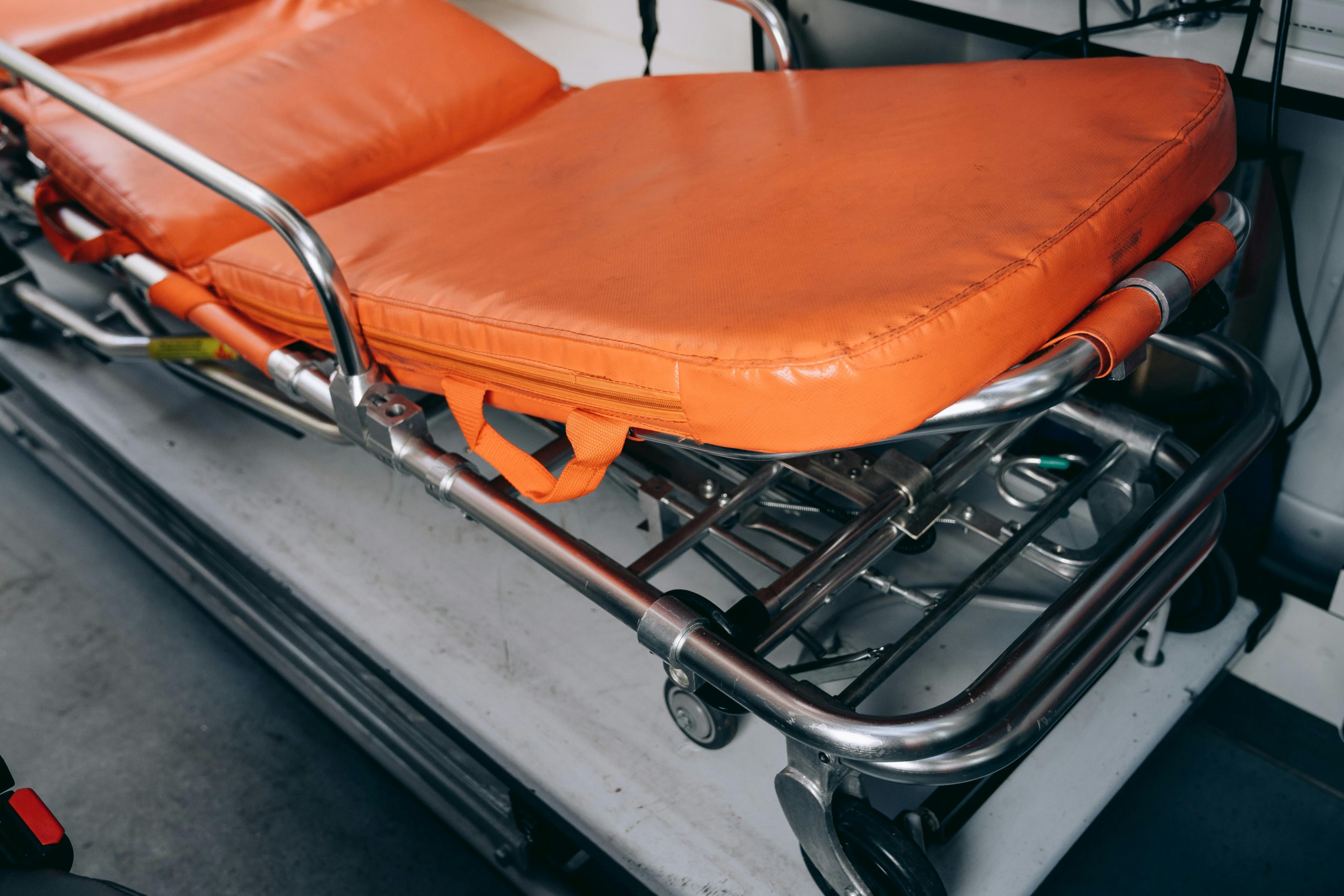
Choosing Between Standard and Specialty Stretchers
When choosing a stretcher, consider its intended use, size requirements, and the types of patients it will serve.
Standard models cover everyday hospital needs, while specialty stretchers (for specific patients or tough environments) have unique dimensions and features to meet those demands.
Bariatric Stretcher: A heavy-duty, extra-wide stretcher (~80–90″ long × 30–36″ wide) – ideal for safely transporting obese or overweight patients.
Pediatric Stretcher: A smaller stretcher for infants and children (~50–60″ long × 18–22″ wide) – equipped with features for the safety and comfort of young patients.
Folding Stretcher: A lightweight, collapsible stretcher (~70–72″ long × 22″ wide) – perfect for quick deployment in emergencies or where space is limited.
Vacuum Stretcher: A stretcher that molds to the patient’s body (~70–72″ long × 22″ wide, flexible shape) – provides custom support to stabilize trauma or spinal injury patients.
Spinal Board (Long Board): A rigid full-body board (~72″ × 16″) – used to immobilize patients with suspected spinal injuries during transport.
Stair Stretcher: A narrow stretcher with carrying handles (~70″ × 24″) – built for moving patients up or down stairs in multi-story buildings.
Rescue Stretcher (Aluminum/Rigid): A very sturdy stretcher (~72″ × 24″) – designed for rough outdoor environments (e.g. mountain rescues, disaster sites).

Recommended Companies
Jiekang Medical is a trusted manufacturer known for high-quality stretchers that meet strict standards for safety, comfort, and functionality.
Our stretchers feature adjustable dimensions to accommodate patients of varying sizes, making them suitable for many different medical settings.

Conclusion
Choosing the right stretcher is essential for patient safety, comfort, and efficient transport in your facility.
Proper stretcher dimensions allow easy navigation through narrow spaces and elevators, supporting smooth operations.
A good stretcher serves diverse patient needs while fitting within your hospital’s space constraints.
Jiekang Medical offers a wide range of high-quality, adaptable stretchers (see our Various Rescue Stretchers collection) to suit different requirements.
Call to Action: For expert guidance in selecting a stretcher, reach out to our team. You can easily contact us to discuss your facility’s specific needs or request a quote.