

Introduction
Accidents can happen unexpectedly anywhere, and in those moments, your preparedness for these emergencies is not just a choice—it is a matter of life and death. For this reason, a well-stocked first aid kit can make all the difference in providing immediate care. Whether you are a healthcare professional or not, this kit is essential for addressing minor injuries and sudden illnesses while waiting for professional medical help.
By taking the time to assemble a comprehensive first aid kit, you equip yourself with the ability to care for yourself and others. In this article, we will discuss this in detail so you know what supplies to add to this kit and how to use them.
Building Comprehensive First Aid Kits
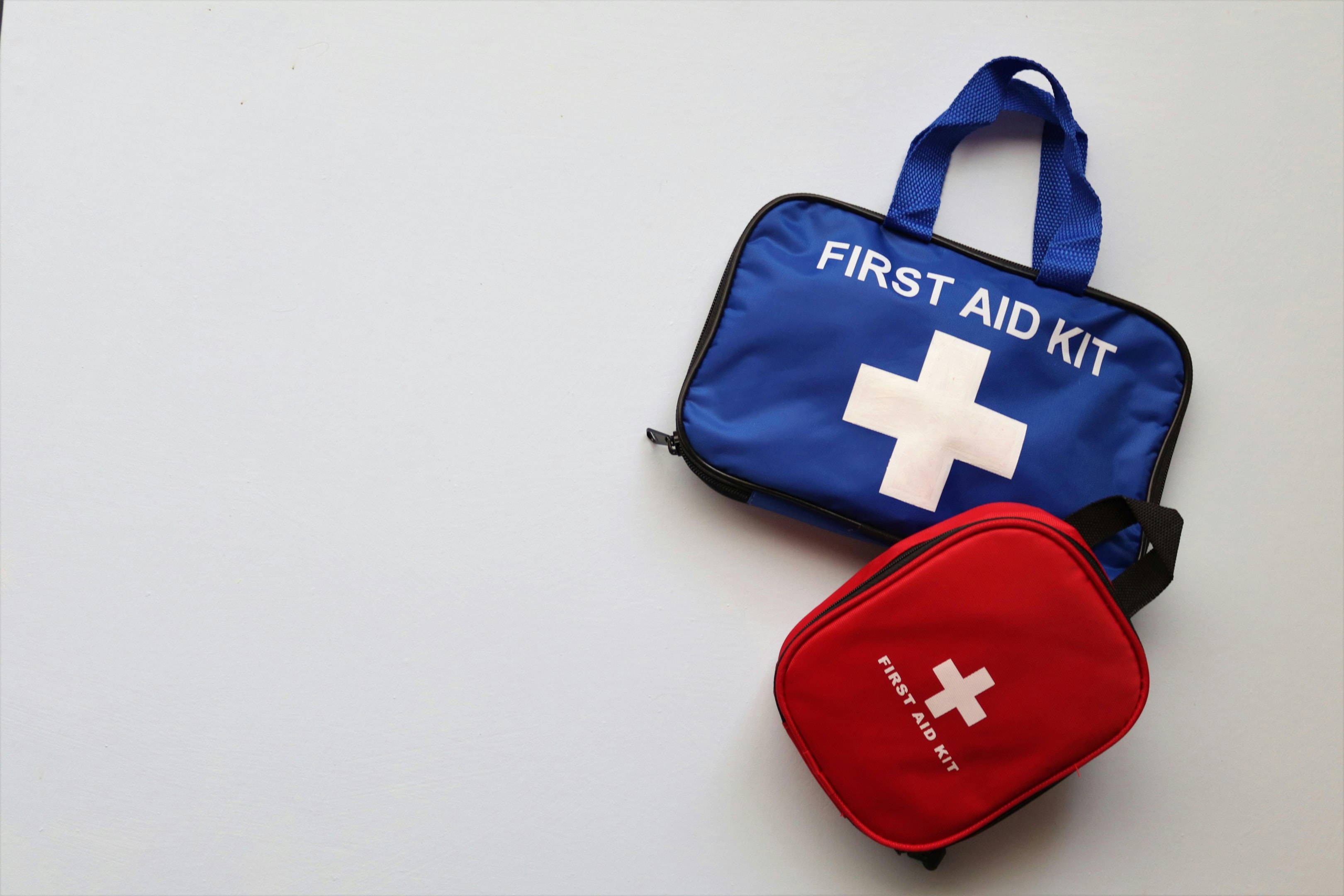
A well-stocked first aid kit is essential for effectively responding to emergencies and injuries, whether at home or on the go. Here are the key considerations for building a comprehensive kit yourself:
- Assess the Size of Kit: It depends on where you want to keep it. For keeping at home or in public places, you should build a large one that can tackle diverse needs. While for personal use or during travel, you can use a smaller and portable kit.
- Suitable Type of Kit: Ideally, you should tailor the kit to your special needs and circumstances. However, you can also have the pre-packaged options if you are busy.
- Number of People Served: Consider how many individuals the kit will serve.
- Analyze the Probable Emergency Scenarios: Think about the type of emergencies that can happen. For example, a kit for hiking should have medical supplies for sprained ankles.
- Regularly Check Expiration Dates: Check the expiration dates of all items like medications and replace them with new ones.
Essentials of First Aid Kits
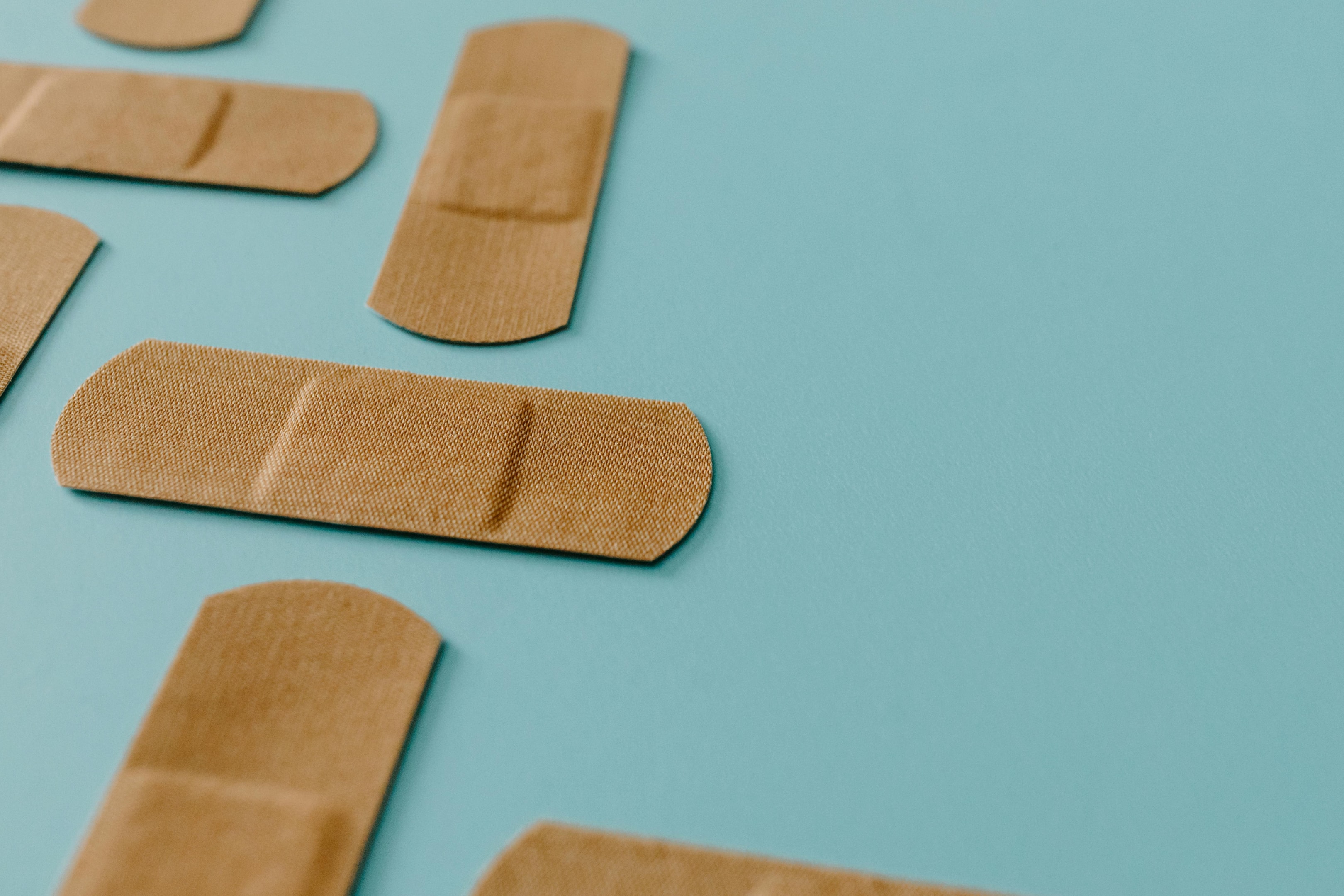
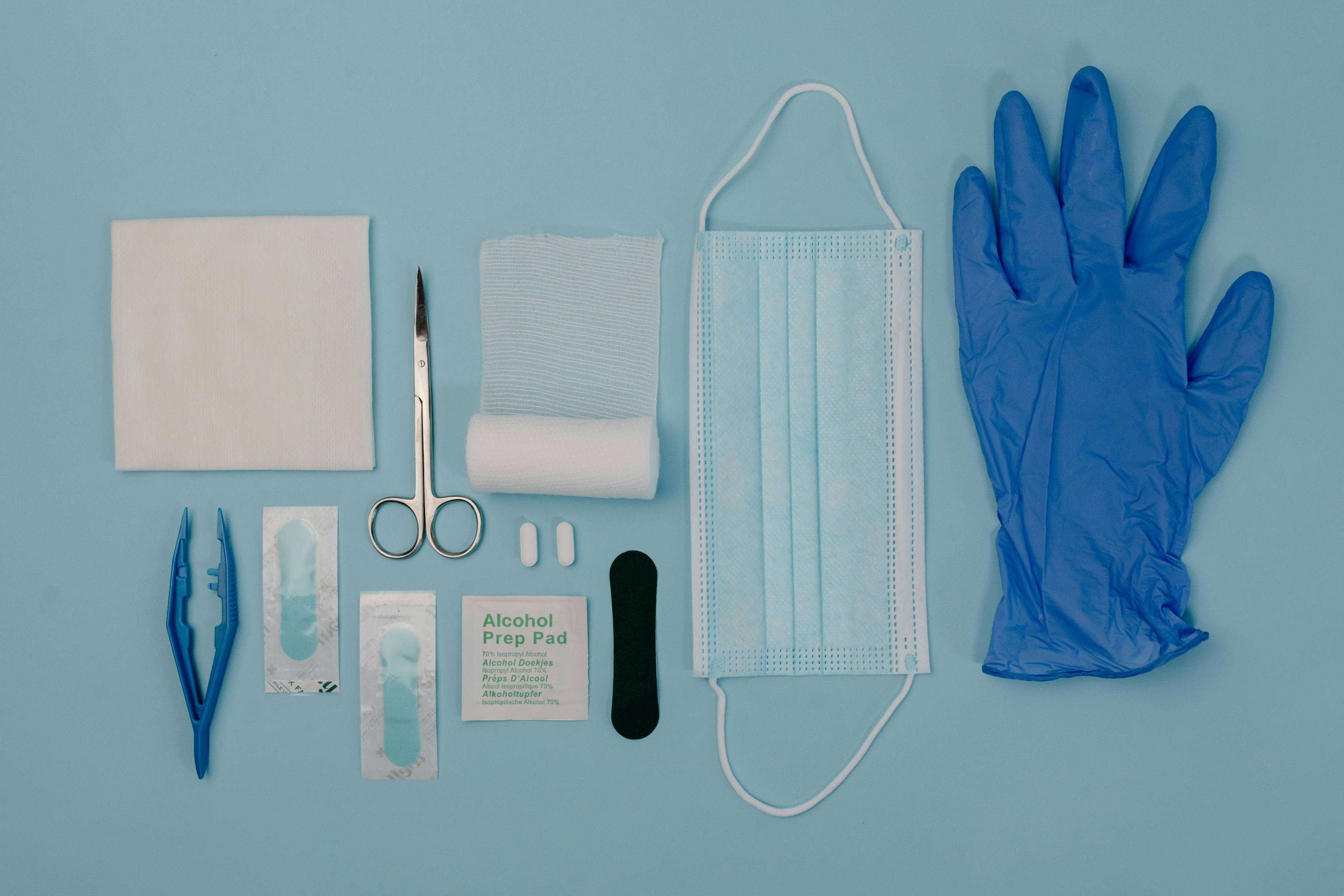
- Band-Aids (Adhesive Bandages): Include various sizes to treat minor cuts and scrapes effectively.
- Gloves: Two pairs of non-latex gloves should be included in a first-aid kit.
- Sterile Gauze Pads: Use these in conjunction with adhesive tape to cover larger wounds and control bleeding.
- Antiseptic Wipes: Essential for cleaning wounds and preventing infection, these wipes are a must-have for any first aid kit.
- Elastic Bandage (Ace Bandage): Ideal for wrapping sprains and strains, providing support and compression.
- Pain Relievers: Include medications such as acetaminophen or ibuprofen to help manage pain and reduce inflammation.
- Antihistamines: Useful for treating allergic reactions, helping to alleviate symptoms such as itching, swelling, and hives.
These essentials will help you handle common injuries and emergencies effectively, ensuring that you’re prepared for whatever may arise.
Common Medical Supplies for First Aid Kits
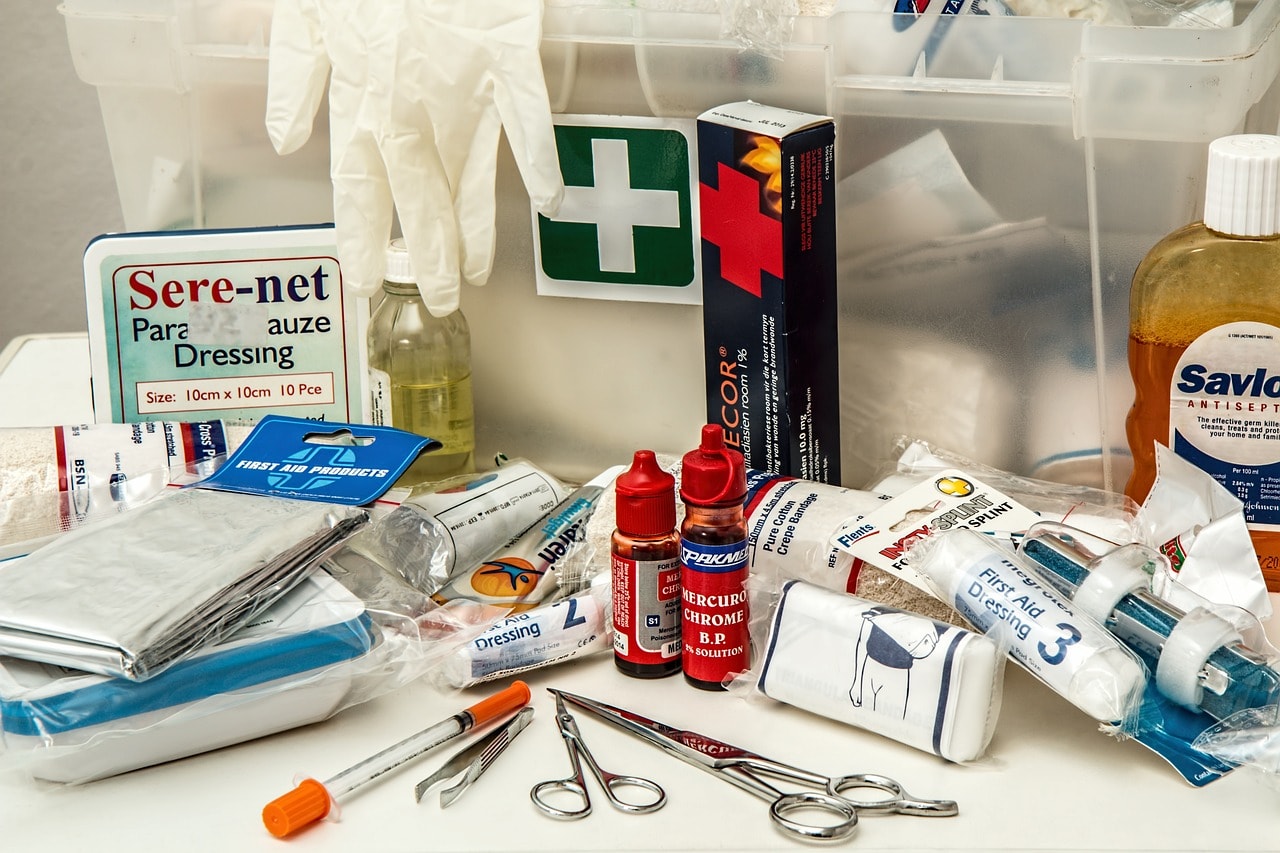
To enhance the effectiveness of your first aid kit, consider including these important medical supplies:
- Tweezers: Essential for safely removing splinters, ticks, or other small debris from the skin.
- Scissors: Useful for cutting bandages, tape, or clothing in emergencies where access to the injury site is needed.
- Thermometer: A vital tool for checking body temperature, helping to identify fevers or monitor illness.
- Cold Pack: Ideal for reducing swelling and providing relief for sprains, strains, or bruises.
- Eye Wash Solution: Important for flushing out debris or irritants from the eyes, ensuring quick relief from potential injuries.
Including these medical supplies in your first aid kit will equip you to handle a variety of situations effectively, making your kit a more comprehensive resource for emergency care.
Supplies for Wound Care and Infection Prevention
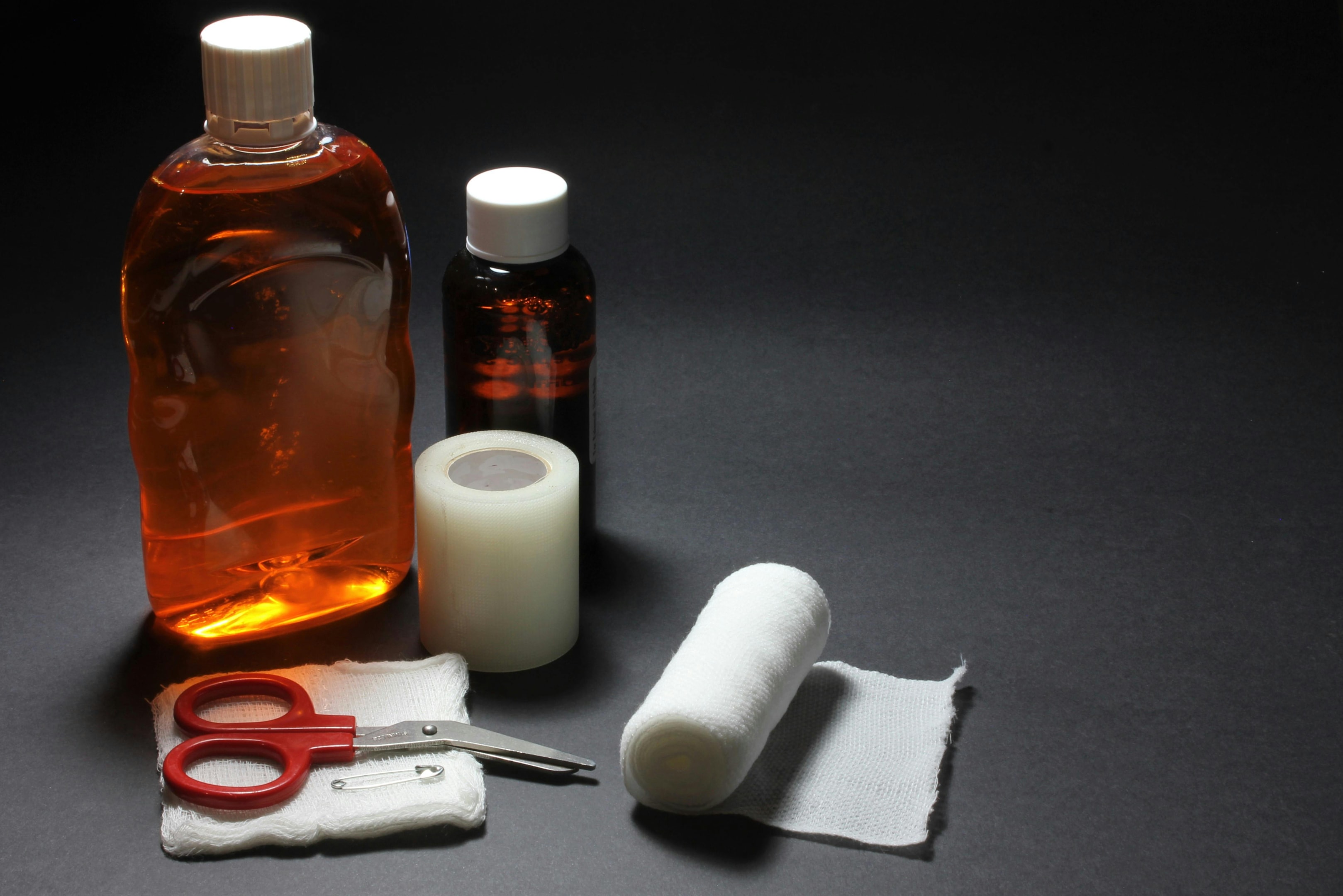
Proper wound care and infection prevention are crucial for effective first aid. Here are essential items to include in your kit:
- Antibiotic Ointment: An important addition to prevent infection in cuts and scrapes, promoting healing.
- Hydrocortisone Cream: Useful for treating skin irritations, such as rashes, insect bites, or allergic reactions, helping to reduce inflammation and itching.
- Aloe Vera Gel: Ideal for soothing minor burns, this natural remedy provides relief and aids in healing.
- Burn Cream: Specifically formulated to treat minor burns, helping to alleviate pain and promote recovery.
- Non-stick Gauze Pads: Used as wound dressings to avoid sticking to the injury, minimizing pain during changes and promoting a clean healing environment.
Including these wound care and infection prevention supplies in your first aid kit will help ensure effective treatment of injuries and reduce the risk of complications.
Emergency Medications Needed in a First Aid Kit
Having the right medications on hand can make a critical difference in emergency situations, especially for those with allergies or specific medical needs. Here’s what to include in your first aid kit:
- Aspirin: Recommended for adults experiencing chest pain (not for children) as it can help reduce the risk of a heart attack by thinning the blood.
- EpiPen or Other Epinephrine Injector: Essential for individuals with severe allergic reactions, this medication can quickly counteract anaphylaxis.
- Antihistamines: Useful for treating mild allergic reactions, helping to alleviate symptoms such as itching, sneezing, and hives.
- Prescription Medications: Include any specific medications for family member with chronic conditions, ensuring that these are easily accessible in case of an emergency.
- Medical Alert Tags or Cards: Important for family members with severe allergies or medical conditions, these tags can inform first responders of critical health information quickly.
By including these medications and allergy-related supplies in your first aid kit, you can better prepare for emergencies involving allergic reactions and other medical needs.
Places Where First Aid Kit is Essential
Home First Aid Kit
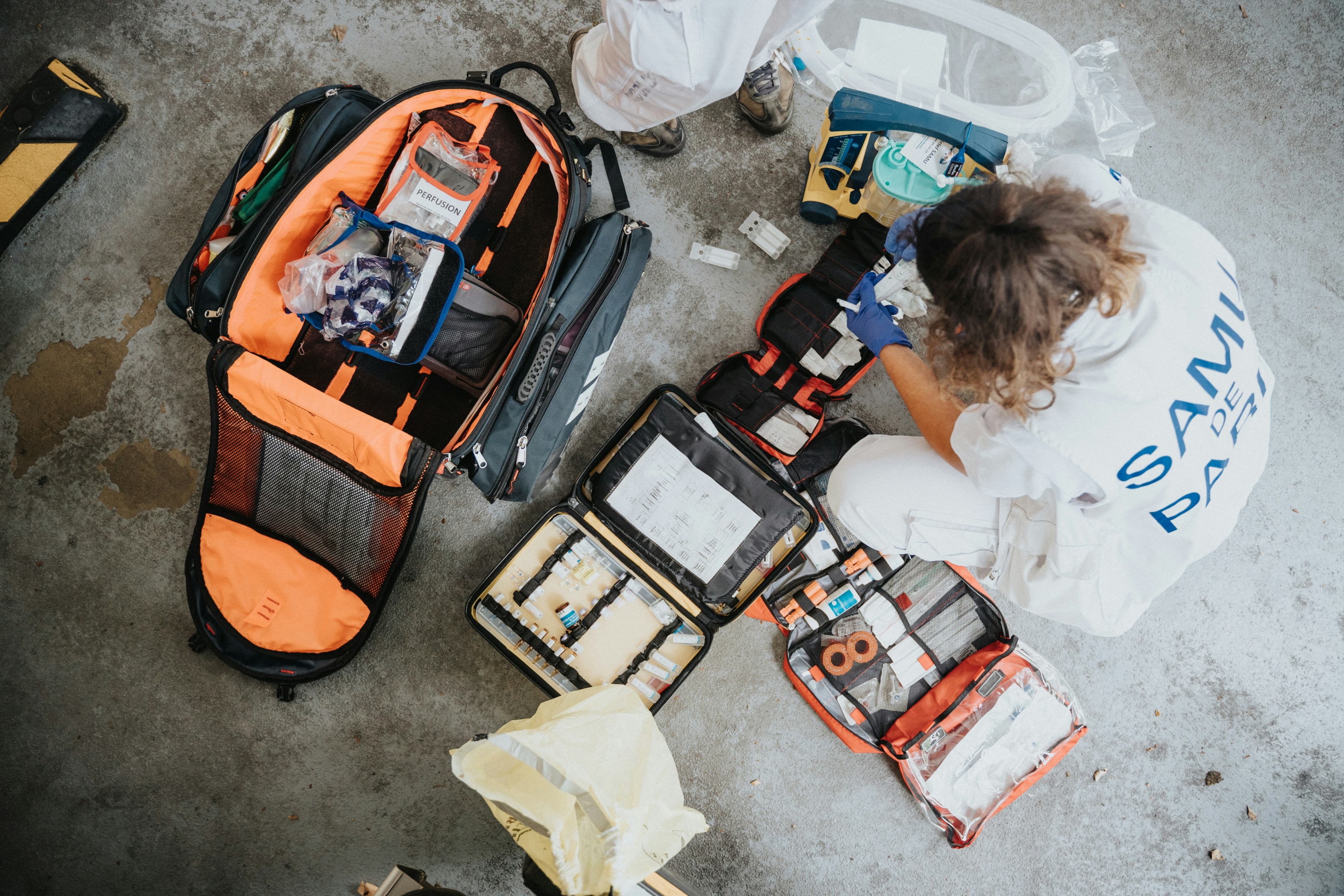
A Home First Aid Kit includes basic supplies for addressing common injuries like cuts, burns, and sprains. Apart from these, you should customize this kit for your family. For example, if someone has diabetes, you should include insulin medications or glucose tablets. Place the kit where everyone can easily access it and make sure everyone knows how to use it.
Car Kit
A Car Kit should include portable, compact supplies that can be stored in the glove box or trunk. Additionally, consider adding a reflective triangle or flares for visibility in case of car accidents.
Workplace Kit
A Workplace Kit must meet OSHA (Occupational Safety and Health Administration) standards. Also, do not forget to tailor it to the job environment. For example, emergency medical help needed during desk jobs can be quite different from high-risk settings like in mines or factories. This ensures that employees are prepared to handle workplace emergencies effectively and safely.
Travel/Outdoor Kit
A Travel or Outdoor Kit should include insect repellent, sunscreen, hand sanitizer and emergency space blankets. The kit should be portable enough to fit in the travel bags. This comprehensive preparation will save you from major injuries in case of outdoor accidents.
Special Needs Kit
If someone in your household has specific medical conditions, such as allergies, it’s crucial to create a special needs kit. This kit should include relevant medications, like antihistamines, as well as any necessary supplies, such as an EpiPen.
Customizing Your First Aid Kit
This information can help you in building and customizing your own first aid kit. This is important because family and friends often provide first aid before professional help arrives.
- Assess Family Needs: Consider the specific needs of your family member, including medications or equipment for chronic conditions.
- Include Personal Items: Add emergency phone numbers, insurance cards, and relevant medical information. Attach a note to your kit with instructions on where to find other items around the house.
- Anticipate Emergencies: Think about potential emergencies you might encounter, such as natural disasters or power outages.
- Regular Updates: Ensure the kit is regularly updated to reflect changes in your family’s needs.
- Properly Organise: Place the basic items and supplies in separate sections so they can be easily found during emergencies.
First Aid Manual and Instructions
While assembling a first aid kit for your home, hospital, or public place, you need first to read the first aid manual to understand step-by-step instructions for treating common injuries. Such a manual should also be added to the kit for people who do not have that information.
Alternatively, you can consult digital resources. You can find all the information in a Red Cross first aid app or online resources. For the American Red Cross, you can find the details here.
Also, keep a list of emergency phone numbers in your kit, including contacts for the local fire department, poison control, and emergency services. This ensures that you can quickly reach out for professional help when needed.
Document medical information about your family, such as allergies and chronic conditions, to provide first responders with crucial information in case of an emergency. Finally, encourage family members to complete a first aid course or obtain training certification.
It’s better to be safe than sorry!
Storing and Maintaining First Aid Kits
To ensure your first aid kit is effective when needed, it’s essential to store and maintain it properly.
- Accessible Location: Store your kit in an easily reachable spot, like a central closet or cabinet.
- Regular Checks: Inspect the kit regularly to ensure supplies are current and not expired.
- Multiple Kits: Consider having kits in various locations, such as at home, in the car, and at work.
- Restock After Use: Make it a habit to restock your kit after each use to maintain readiness.
Basic First Aid Tips for Emergencies
- For Cuts and Scrapes: Clean the wound, apply antiseptic, and cover it with a bandage or gauze.
- For Burns: Run cold water over the burn for several minutes, apply burn cream, and cover with a sterile bandage.
- For Sprains or Strains: Apply ice to reduce swelling, elevate the injured limb, and use an elastic bandage for support.
- For Allergic Reactions: Take an antihistamine or use an epinephrine auto-injector (if prescribed), and seek medical help if symptoms persist.
- Stop Bleeding: A person using a first-aid kit should know how to apply direct pressure to stop bleeding.
- Unexpected Chest Pain: Aspirin may be life-saving in an adult with chest pain. If someone has unexplained chest pain or symptoms of a heart attack, call for emergency medical services immediately. In the meantime, you can give them a regular-strength aspirin to chew.
Conclusion
A well-stocked kit can make a significant difference in providing immediate care when it’s needed most. Jiekang values the safety of people in emergencies. We encourage readers to assess their personal needs to tailor their first aid kits accordingly. Additionally, keep all supplies up to date and ready for use. By being prepared, you can protect yourself and your loved ones in times of need.
Explore our comprehensive range of first-aid kits at Jiekang. From home first aid kits to survival first aid kits, we provide professional solutions you can trust. Visit our website today to equip yourself with the best in first aid supplies and keep safety a priority!