
The Rain Didn’t Stop. Neither Could They
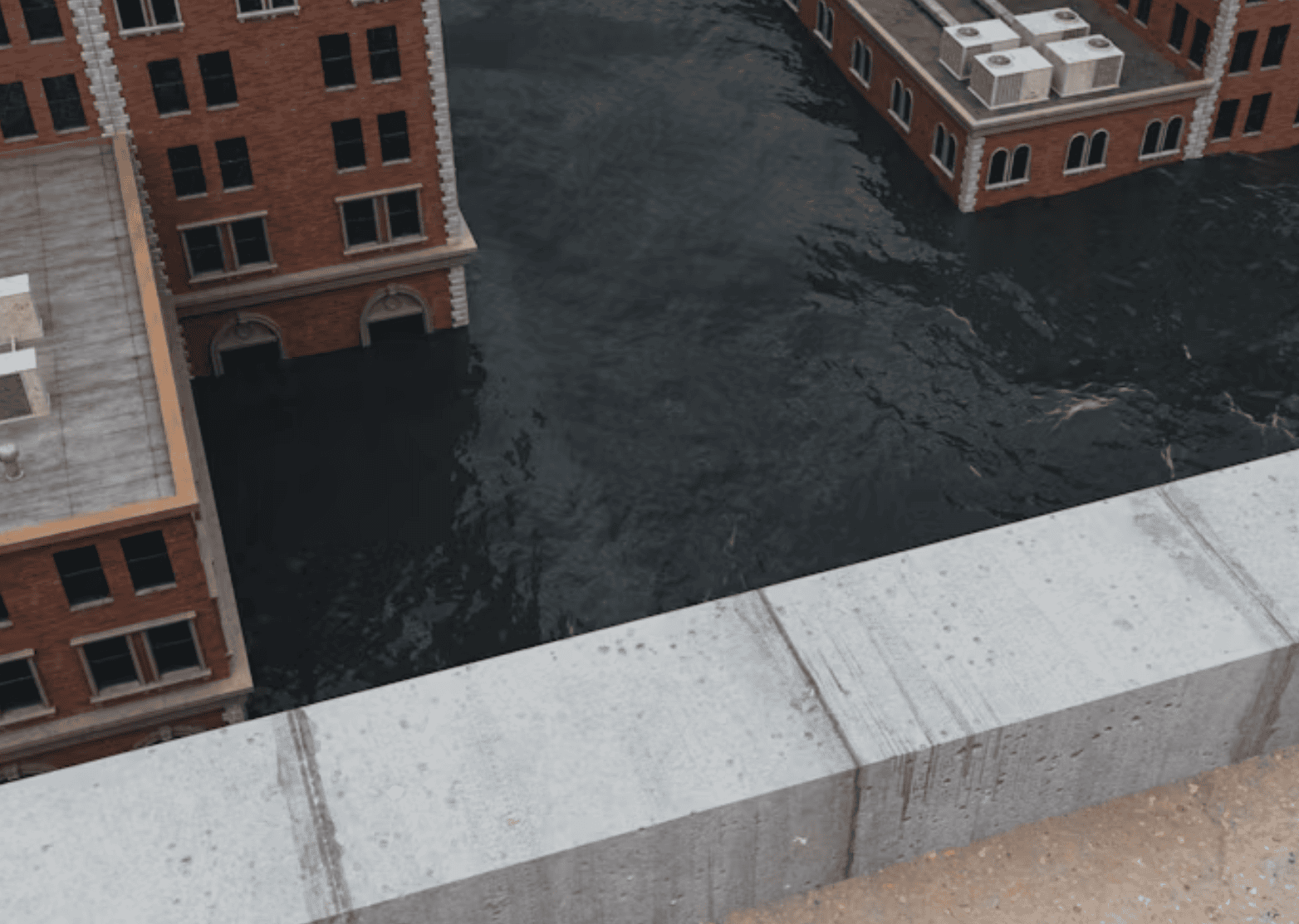
On a muggy August morning in southern Sichuan, the rain had already been falling for 48 hours. The Minjiang River had swelled beyond its banks, swallowing roads, rice paddies, and entire ground floors. By the time the district emergency team arrived at Xinghe Village, the flood had reached chest height.
Some residents had climbed to rooftops. Others were stranded on trucks. But two elderly residents, Mr. and Mrs. Fang, were stuck inside a house with only one floor—and a front door that now opened into a current.
What followed was a race against time. But also, a field test of rescue preparedness.
The Call That Changed the Day
At 08:12 a.m., a local volunteer radioed: “We need immediate extraction. Two adults, immobile, possibly injured. Floodwater rising fast.”
Team Leader Liu had to make fast decisions:
- Could the vehicle approach the location? No. Roads submerged.
- Was it safe for divers? Uncertain. Water murky, debris visible.
- Could they reach the house with portable gear? Yes—but only with the right tools.
What they packed made all the difference.
Enter the Rescue Team—With the Right Equipment
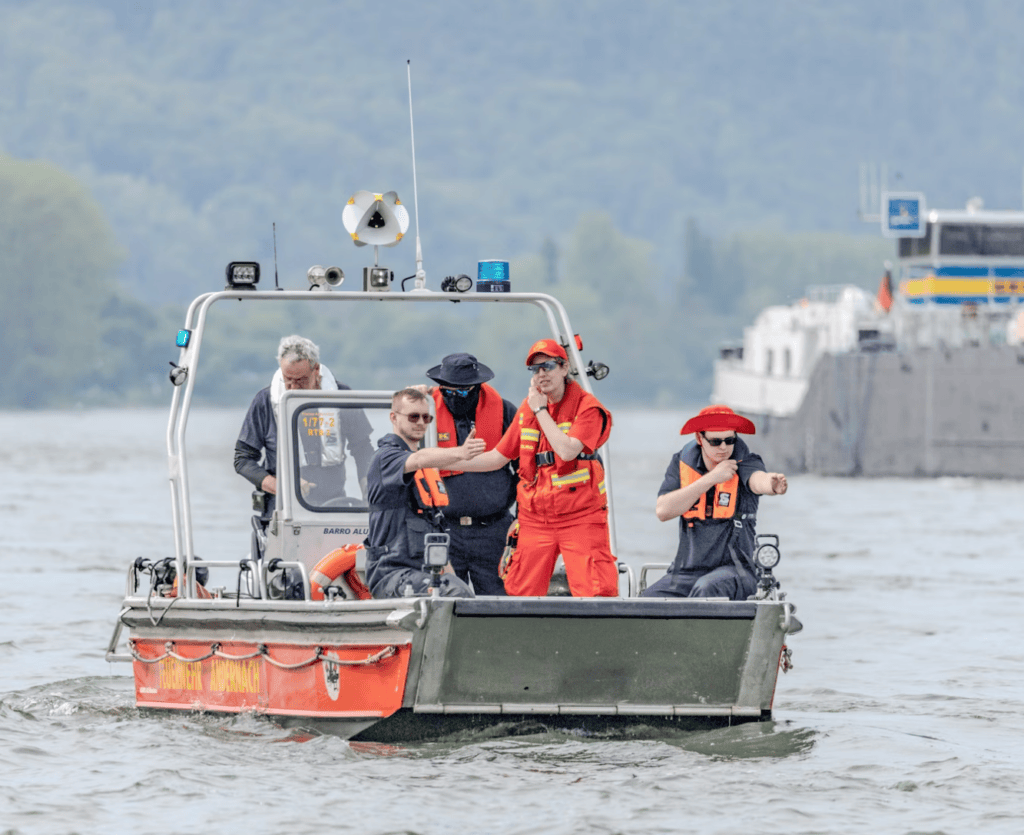
1. Inflatable boat
2. Life jackets with quick-release buckles
3. Waterproof first aid kit
4. Spine board in case of injury
5. Foldable rescue stretcher
6. Life buoys with 30m floating rope
7. Handheld megaphone and emergency LED torches
Before reaching the victims, they had to pass submerged electrical poles and navigate under a fallen bamboo trellis. At this point, the question wasn’t just “Can we reach them?”—it was “How fast can we evacuate once we do?”
What They Found Inside
The water inside the house was waist-high. Mrs. Fang was conscious but struggling to breathe due to the cold. Mr. Fang had slipped and hit his hip—possibly fractured. There was no electricity, and the current outside had grown stronger.
Here’s where equipment choice became critical.
- Mrs. Fang was fitted with a high-buoyancy life jacket with neck support, allowing her to float in the boat without full strength.
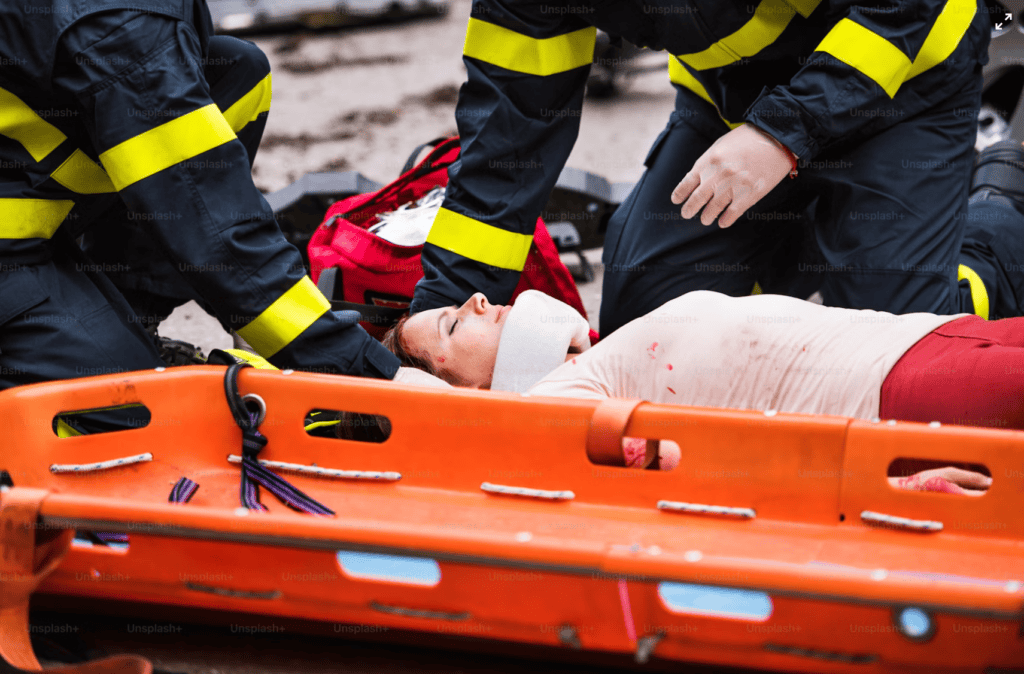
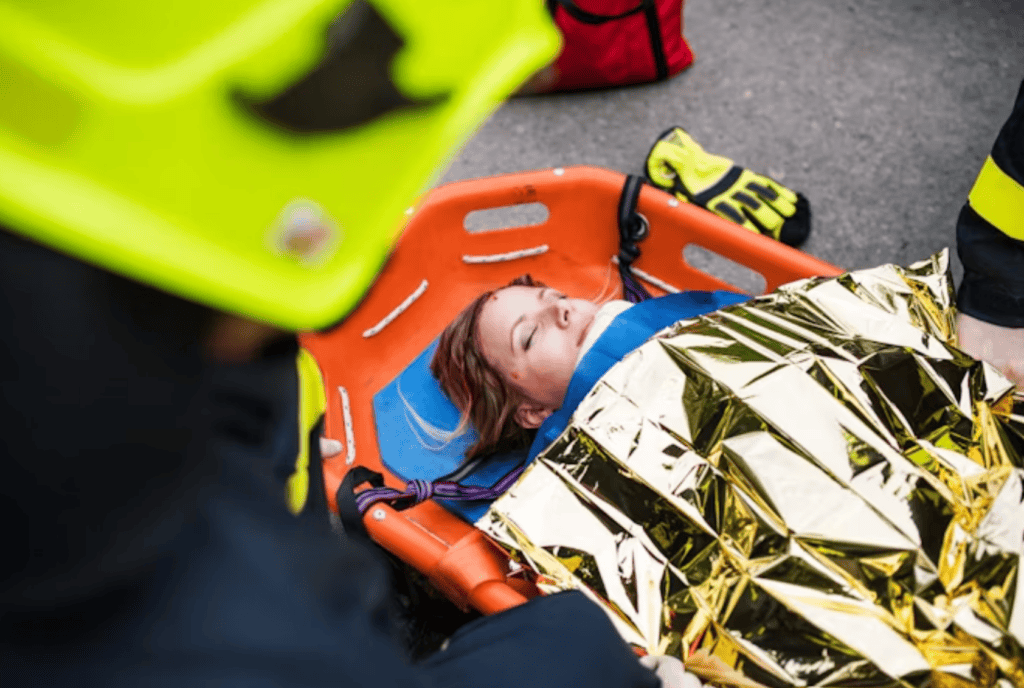
- Mr. Fang was immobilized using a spine board and lifted onto a lightweight rescue stretcher.
- The stretcher had drainage holes and non-slip handles, helping the team keep balance as they navigated uneven water.
The Turning Point: Extraction Under Pressure
Midway through the return, the current intensified. Debris struck the boat, and the only stable option was to guide the stretcher across a temporary scaffold made from rescue boards and planks laid by another team.
This is where stretcher design matters:
- Had it been too heavy → risk of tipping
- Had it lacked handgrips → risk of dropping
- Had it lacked waterproof base → patient soaked, hypothermia risk
But the Jiekang stretcher held. Reinforced stitching, floatable base, and secure straps carried Mr. Fang safely to high ground.
Every Second Counted. Every Tool Helped.
In total, it took 28 minutes from water entry to safe evacuation. Without fast access to professional-grade gear, the rescue could have turned fatal.
In post-operation debrief, responders credited three things:
- Pre-packed modular kits (first aid + flotation + transport)
- Well-maintained stretchers and life buoys
- Drill-based familiarity with equipment
The rescue wasn’t luck. It was planning meeting the right tools.
Why Gear Choice Isn’t Just Logistics—It’s Life
Every piece of rescue equipment carries consequences. In a flood scenario, wrong tools cost lives.
Here’s what rescue teams recommend after this case:
- Equip every flood zone station with at least 3 professional-grade life buoys and foldable stretchers
- Avoid consumer-level gear (e.g., inflatable pool toys labeled as rescue rings)
- Use life jackets with head flotation collars and reflective surfaces
- Never rely on verbal coordination alone—carry megaphones and pre-packed checklists
All of this is available in Jiekang’s rescue equipment collection, designed with real field feedback, not just factory specs.

Scaling Readiness Beyond the Scene
After the Xinghe rescue, the district health office purchased:
- 60 ambulance stretchers
- 90 spine boards
- 120 life jackets
- 40 emergency kits
They also designated 12 locations as “rapid-access gear points,” based on Jiekang’s recommendation to reduce retrieval time by 40%.
Want to prepare your own agency, team, or business facility? We’ll help you match gear to your terrain and needs.
Contact our team for custom packages, compliance specs, or training guides.