
Introduction
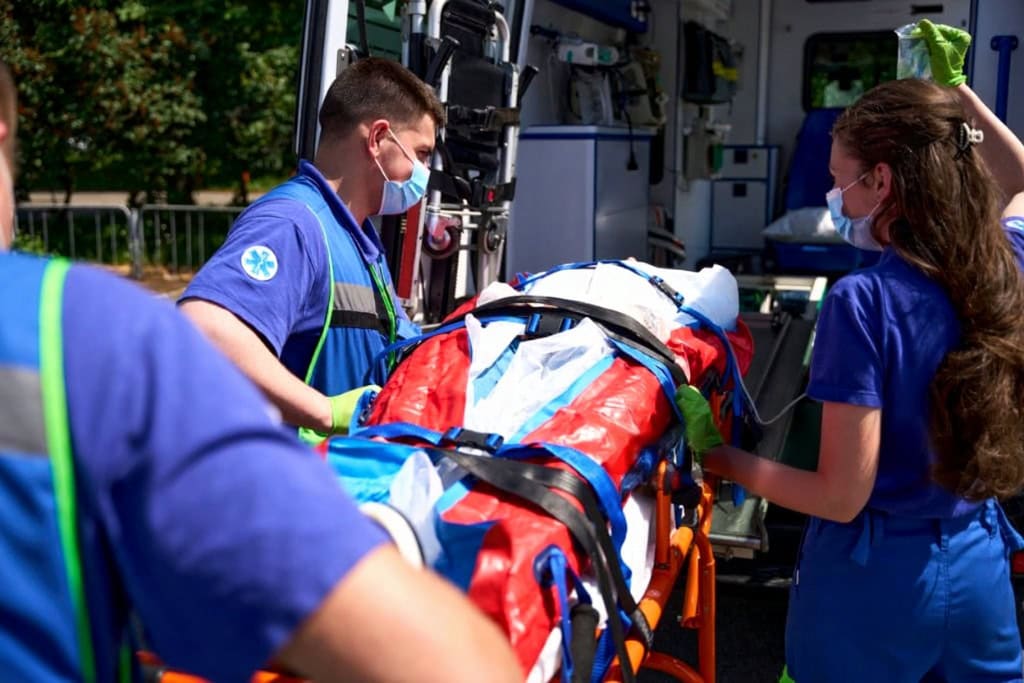
In emergency and hospital transport, patient handling may look simple, but it’s one of the most delicate moments of care.
A slight tilt of a stretcher, a loose strap, or a sudden vehicle turn can turn stability into injury.
According to NIOSH and the World Health Organization, improper handling remains one of the top causes of preventable secondary injuries during medical transport.
Fortunately, the right equipment and protocols can eliminate most of these risks.
This article explores the causes of secondary injury, explains how modern stretchers and immobilization devices help prevent them, and shares best practices that EMS professionals rely on every day.
Why Secondary Injury Happens During Transport
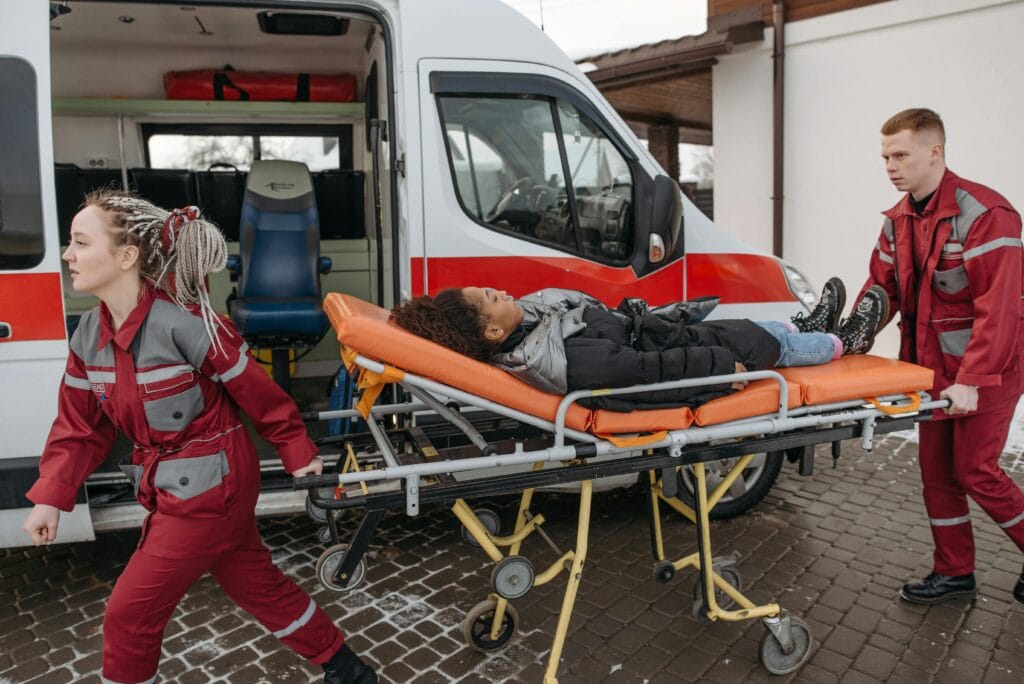
A patient transfer is more than a movement—it’s a medical procedure in motion. Every detail counts.
Even small issues such as uneven lifting, unsecured straps, or missing neck support can worsen an existing injury.
Common causes include:
- Improper stretcher angles that shift the patient’s weight.
- Loose or misapplied belts that let the patient slide.
- Lack of cervical or spinal stabilization.
- Poor team coordination or unsynchronized lifting.
In tight stairways, slopes, or moving ambulances, these errors multiply. Preventing secondary injury depends on three essentials: control, balance, and coordination.
The Role of Stretchers and Immobilization Devices
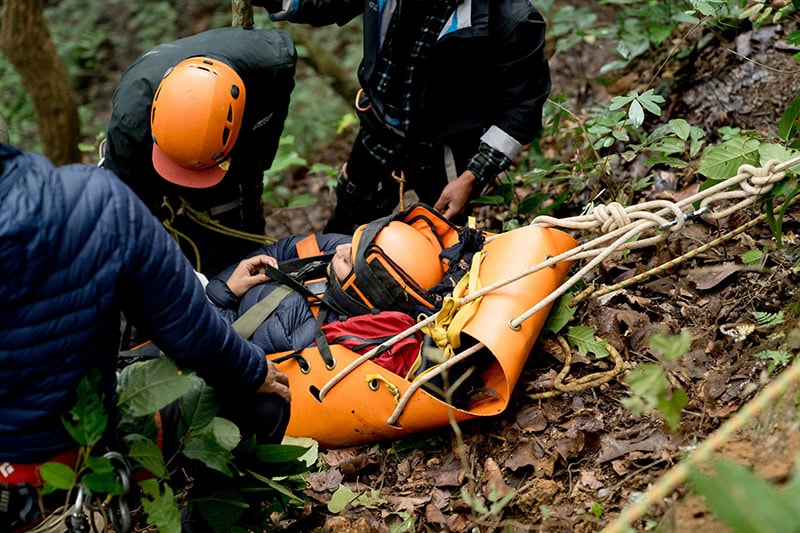
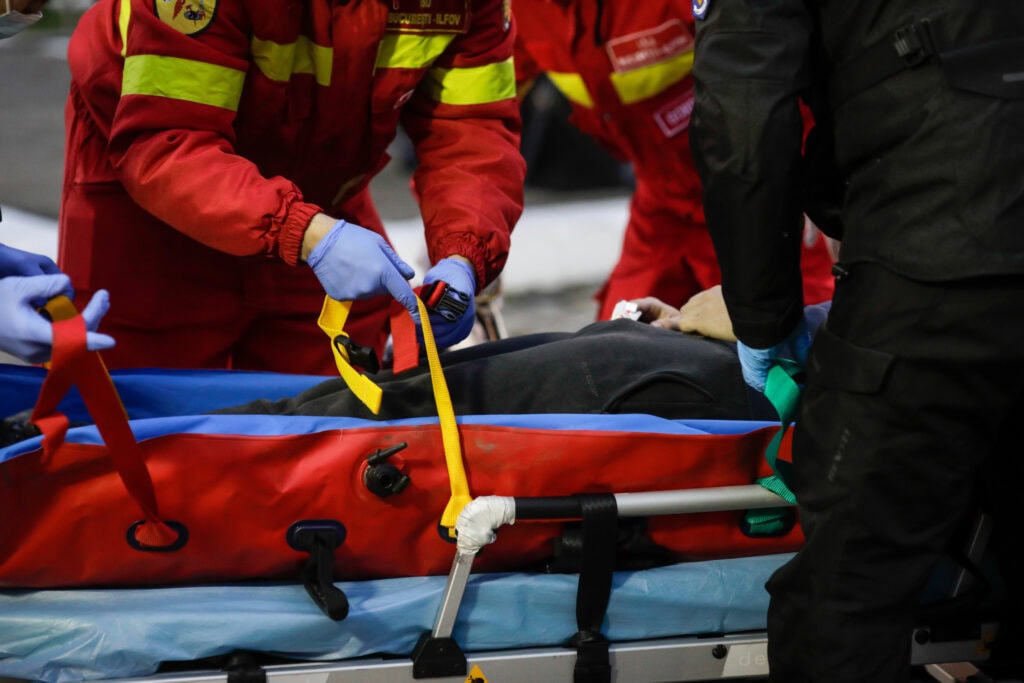
Equipment is the foundation of safe transport. Each stretcher and immobilization device plays a specific role in minimizing movement and keeping the patient secure.
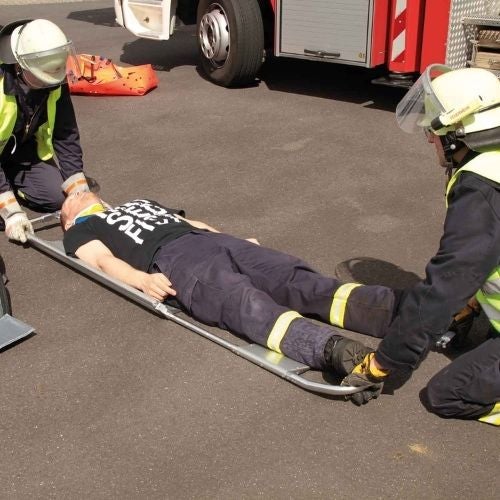
- Spine Board: Provides rigid support to keep the spine in a neutral position and prevent rotation.
- Scoop Stretcher: Splits into two halves and slides under the patient, reducing the need for lifting.
- Vacuum Stretcher: Uses negative pressure to mold around the patient’s body for full-body stabilization—ideal for long or uneven transport.
- Cervical Collar & Head Immobilizer: Limit neck movement and maintain airway alignment.
Together, these devices form a stable transfer system that reduces strain on both the patient and rescuers.
Related reading: Various Rescue Stretchers
Reference: FDA Medical Device Safety Standards
Best Practices for EMS and Hospital Teams
Safe patient handling is not just a skill—it’s a process that starts long before the patient is moved.
Before Transport
- Assess the patient’s condition and select the appropriate stretcher and immobilization tools.
- Inspect the equipment for wear, secure all straps and head blocks.
- Assign roles and verbal commands so every team member moves in sync.
During Transport
- Keep the stretcher level and steady.
- Maintain alignment of the head, neck, and torso.
- Move smoothly and avoid sudden turns or vibrations.
After Arrival
- Remove immobilization devices only under medical supervision.
- Reassess the patient’s condition for any new discomfort.
- Clean and inspect the equipment for the next operation.
Safe transfer isn’t just technique—it’s teamwork under pressure.
The Importance of Certified Equipment
Certified equipment gives rescuers confidence to focus on the patient, not the hardware.
ISO 13485, CE, and FDA certifications guarantee that every stretcher meets strict standards for load strength, corrosion resistance, and ergonomic design.
At Jiekang Rescue, every stretcher undergoes load, vibration, and fatigue testing to simulate real rescue conditions.
We understand that reliability isn’t optional—it’s essential when lives depend on your tools.
Training and Continuous Improvement
Even the best equipment requires skilled hands. Regular training ensures rescuers understand proper handling, lifting, and communication.
Teams that practice stretcher loading, stair transfers, and ambulance operations perform better under real-world stress.
Following EMS.gov training standards helps ensure long-term safety and professional consistency.
A well-trained team is the strongest safety device any organization can have.
Why Choose Jiekang Rescue
At Jiekang Rescue, patient safety begins with engineering.
Every stretcher, collar, and immobilization device we produce is designed with one goal—to reduce secondary injury during transport.
All products meet ISO, CE, and FDA standards and are tested for load strength, impact resistance, and corrosion durability.
We provide OEM/ODM customization, allowing hospitals and rescue agencies to tailor equipment for their teams—by color, structure, or logo.
Whether in hospital corridors, stairwells, or remote rescue sites, Jiekang stretchers stay stable, reliable, and ready.
We don’t just build equipment—we design the way safety moves.
Conclusion
Every transfer is a race against risk.
But with the right tools, trained teams, and proven processes, secondary injury can be completely prevented.
In emergency care, speed saves lives—but safety sustains them.
Explore Jiekang Rescue’s certified stretchers and immobilization solutions at jiekangrescue.com, and make every transfer a safe one.