
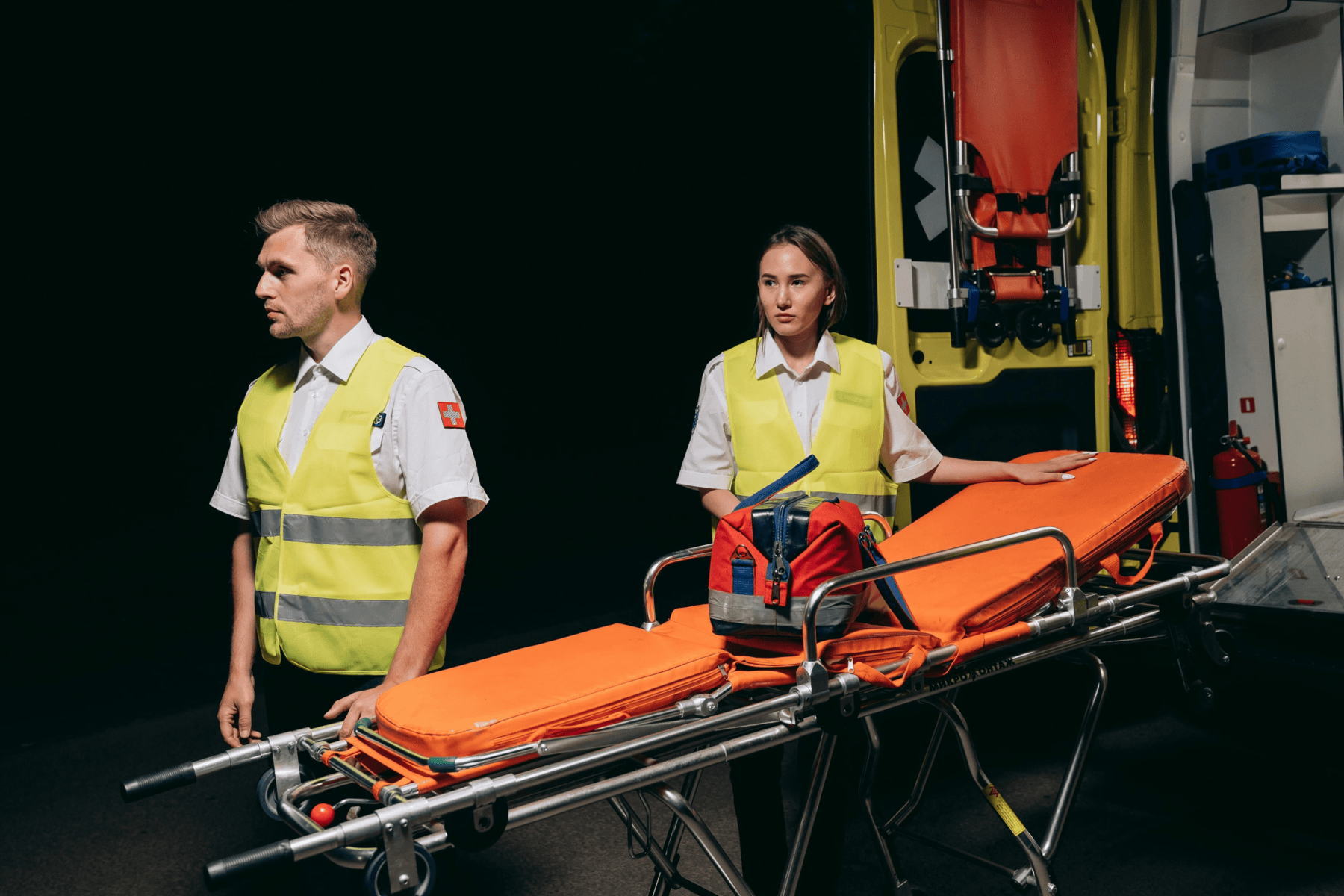
Quick Answer: What’s the Difference?
In practice, a “stretcher” usually means a portable patient-carry device for tight access and emergencies, while a “gurney” often means a wheeled transport platform designed for smoother indoor movement and longer patient time on the surface.
Gurney vs Stretcher: Quick Comparison
| Factor | Stretcher | Gurney |
|---|---|---|
| Best for | Tight access, stairs, rescue, short carries | Indoor corridors, longer transfers, comfort |
| Mobility | Carried/handled; some models fold | Wheeled; typically pushed by one operator |
| Comfort | Basic surface (varies by model) | More padding + positioning options |
| Storage | Often compact/foldable | Bulkier footprint |
| Typical cost | Lower (basic models) | Higher (frame/wheels/features) |
Understanding Gurneys and Stretchers
Let’s start with understanding the basics of stretchers and gurneys.
A stretcher is a patient-transport device designed to keep a patient lying flat. It’s commonly used in emergencies and in situations where portability matters (tight spaces, stairs, uneven access).
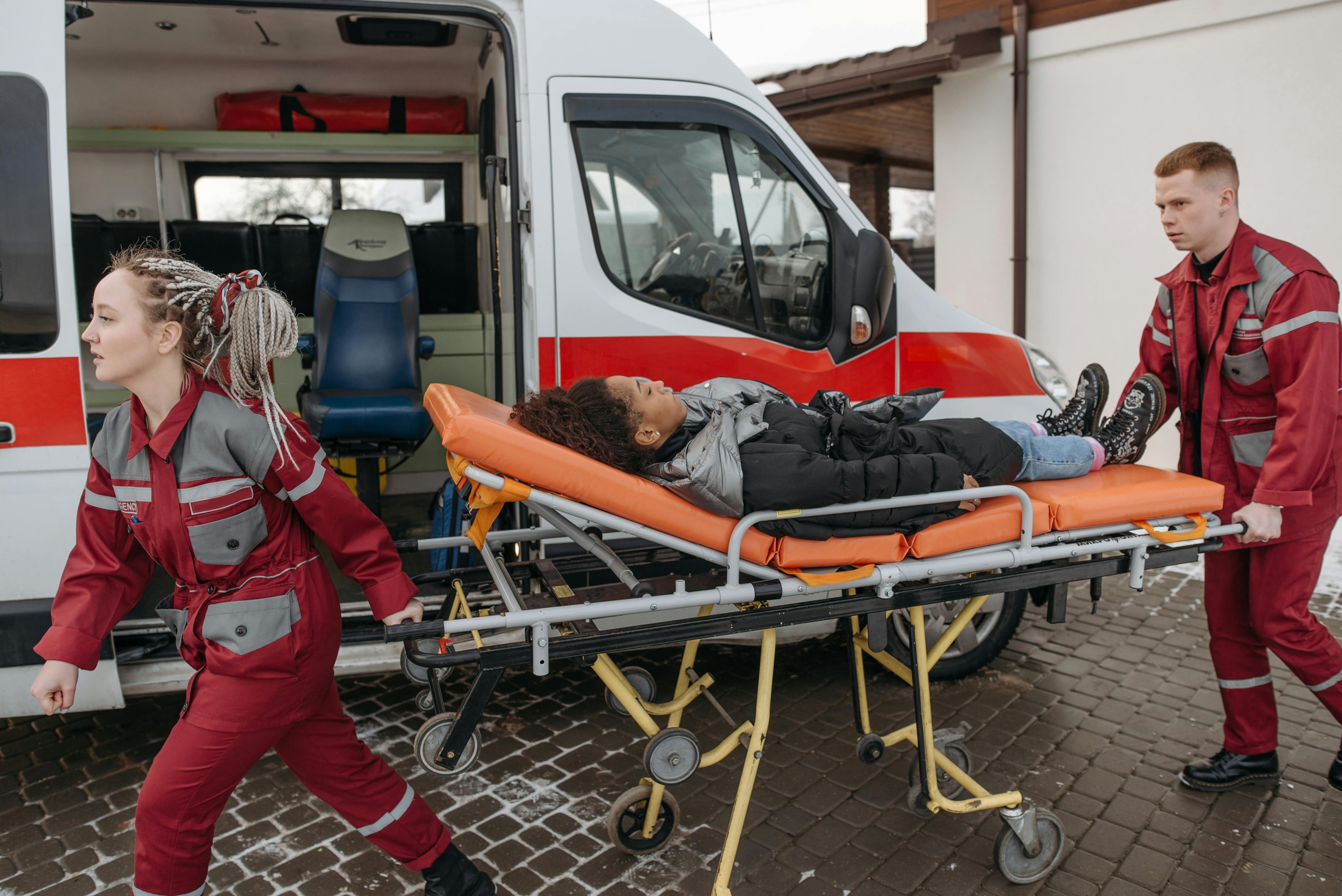
A gurney (often used interchangeably with “hospital stretcher trolley”) looks similar but is typically built around wheels and a rigid frame, so one caregiver can push it indoors. It’s ideal when patients spend more time on the surface and comfort/positioning is important.

In short: choose based on your environment and workflow—because the wrong choice can slow transfers, increase staff strain, and reduce patient comfort.
Types of Stretchers
The modern stretchers are of different types. Each of them is designed keeping in mind the comfort of patients while they are transported from one place to another. Some of the types of stretchers are as follows:
- Flexible Stretchers: These stretchers are also known as SKEDs. They have the support of plastic or wooden planks which help to move heavier patients through limited spaces.
- Ambulance Stretchers: An ambulance stretcher is found in the ambulances. These stretchers are manufactured using durable materials and comprise a stable structure. They also have adjustable features and safety straps which help to transfer patients securely. They are used for transporting patients between different hospitals or to the hospital from other locations.
- Collapsible Stretchers: These stretchers are lightweight and can be collapsed. They are suitable for emergency situations like search and rescue operations where immediate movement of patients is required.
- Stair Chair Stretchers: Patients who need to move over the stairs up or down require these stretchers. These are meant to handle patients on staircases in a safe way.
If you’re building a mixed-use fleet (NEMT + EMS + facility transfer), it’s usually more cost-effective to standardize models and accessories under one supplier category.
Explore our rescue stretcher options here.
When to Choose a Stretcher for NEMT
Stretchers are essential equipment in NEMT because they enable portable, adaptable, and safe patient transport—especially when access is tight or uneven. They’re a strong choice in situations such as:
- Narrow or challenging environments (stairs, tight hallways, small entrances, limited accessibility)
- Home pickup and facility drop-off, where crews must move patients through obstacles safely
- Rural routes or older buildings with limited infrastructure (no elevator, uneven pathways)
- Low-acuity transports where the patient has minimal monitoring needs during transfer
Recommended NEMT setup:
- A portable stretcher for tight access, plus a backup folding unit
- Restraints that are quick to secure and easy to clean
- A standard loading plan (who lifts, who guides, who checks locks) to reduce errors

When to Choose a Gurney for NEMT
Gurneys are suitable for scenarios where adjustability, comfort, and stability are crucial for patients. Modern gurneys offer a way to support caregivers and patients for a longer time span while being transported.
Key Advantages:
- Gurneys are comfortable as they are padded and have ergonomic design, which makes them convenient for patients for a longer time of transport.
- They have adjustable headrests, which can make the patient take comfortable positions.
- They are highly stable which makes them safe for indoor transportation of patients in the hospital.
Safety note: Many healthcare systems adopt Safe Patient Handling and Mobility (SPHM) approaches to reduce injuries related to manual lifting and transfers. Using the right transport equipment—and training staff on consistent procedures—can lower strain for both patients and caregivers.
(Reference: NIOSH SPHM and OSHA resources)
Scenarios:
When a patient requires transporting between hospitals or within the hospitals to cover a longer distance, gurneys offer commendable support.
Gurneys are flexible and have adjustable heights and other features, ensuring maximum comfort to the person who requires medical care.
Advantages and Disadvantages of Stretcher vs. Gurney
Rule of thumb: choose a stretcher for access constraints (stairs, narrow spaces), and choose a gurney for longer indoor transfers where comfort and positioning matter.
The two of these methods of transport have their pros and cons, which are key differences between them. These pros and cons are discussed below.
- Stretcher Advantages:
- It is easy to move in challenging situations and limited spaces due to its lightweight.
- The folding stretcher has a compact layout. It requires limited storage space.
- It is easy to use and affordable.
- Stretcher Disadvantages:
- The stretcher is not suitable for prolonged use as it lacks comfort.
- It doesn’t have adjustable features like reclining heights and headrests, which makes them uncomfortable.
- Gurney Advantages:
- Modern gurneys offer versatile adjustments for positioning patients by reclining features and height adjustments.
- Padded designs make them comfortable for patients when they have to spend more time on them.
- They can also accommodate medical monitoring if required.
- Gurney Disadvantages:
- It is not suitable for use in limited spaces and is bulky.
- It needs more space for storage.
- It requires a high initial investment, also it is expensive to maintain.
Safety Precautions and Best Practices
Some guidelines can help ensure safe patient transport on gurneys or stretchers, especially in NEMT:
- Follow the manufacturer’s instructions for use, loading, and locking to prevent handling injuries.
- Always check brakes, locks, and side rails (if equipped) before moving the patient.
- Use clear team communication during lifts and transfers (countdown, assigned roles). For heavier patients, use two-person handling or assistive devices when available.
Cost and Logistics
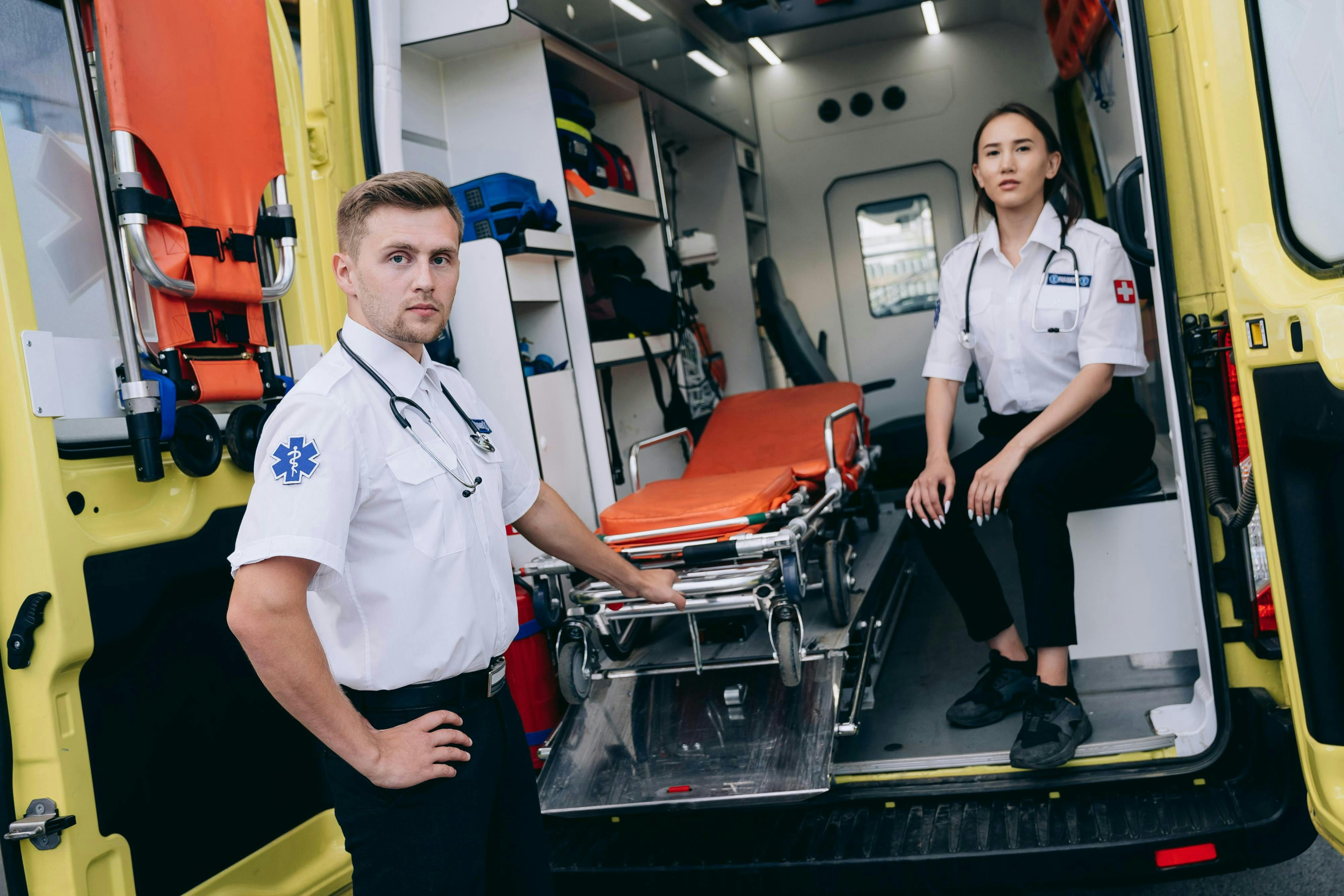
Gurneys have added comfort and features that make them expensive. They require a high initial investment and maintenance. However, they can be a reliable option for safer indoor patient transport when comfort and adjustability matter.
Stretchers offer portability and can be stored easily. They do not provide the same safety and comfort as gurneys but are affordable and require minimal maintenance.
NEMT providers must weigh the benefits and costs to choose a relevant option when deciding between a stretcher and a gurney for patient transport.
Conclusion
Bottom line: choose a stretcher when access is the constraint; choose a gurney when comfort and longer indoor transfers are the priority.
When selecting between a stretcher and a gurney, patient comfort is prioritized to ensure they are carefully moved from one location to another. As the guide above has offered a detailed difference between stretchers and gurneys, NEMT providers can choose the right type of transport method.
Moreover, following the best practices while transporting patients is also crucial so that the risk of injuries and accidents is prevented.
How JIEKANG Can Help You?
If you’re building or upgrading an NEMT fleet, we can help you standardize patient transport equipment—durable options, flexible configurations, and consistent supply for bulk orders.
Learn more about our factory and capabilities on our About Us page.
Request a quote or model recommendationour factory and capabilities on our About Us page.