
Introduction
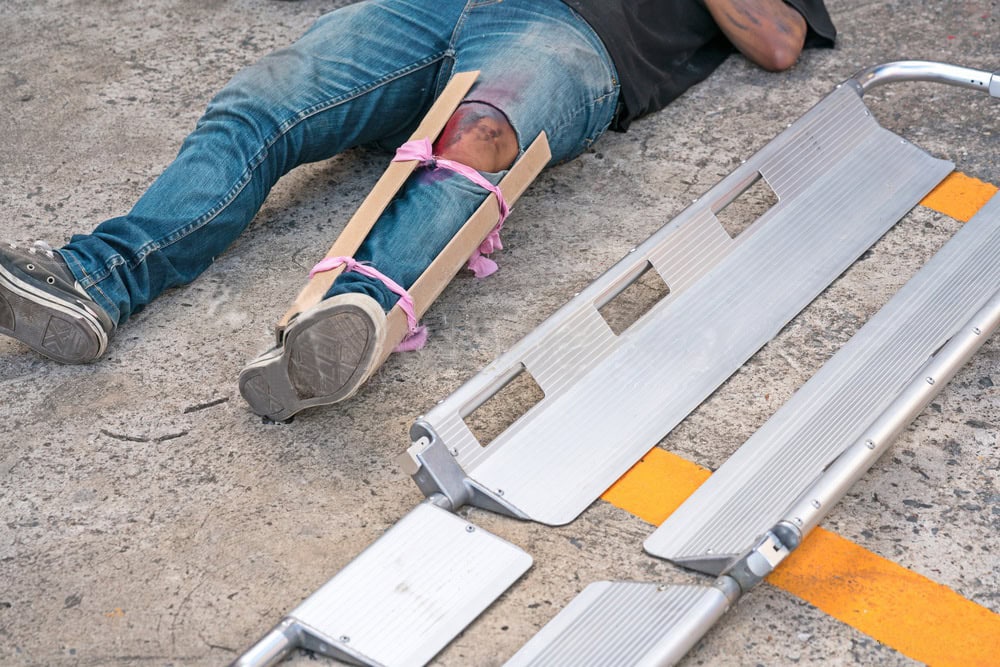
In emergency medical care, every second counts. The way a patient is moved can mean the difference between recovery and further injury. Among the wide range of stretchers available, the scoop stretcher stands out for its ability to minimize patient movement.
This article explains what a scoop stretcher is, when to use a scoop stretcher, and why it has become indispensable in modern EMS and rescue operations. We will highlight its unique features, compare it with other stretchers, and provide practical insights for organizations choosing the right equipment.
What Is a Scoop Stretcher?
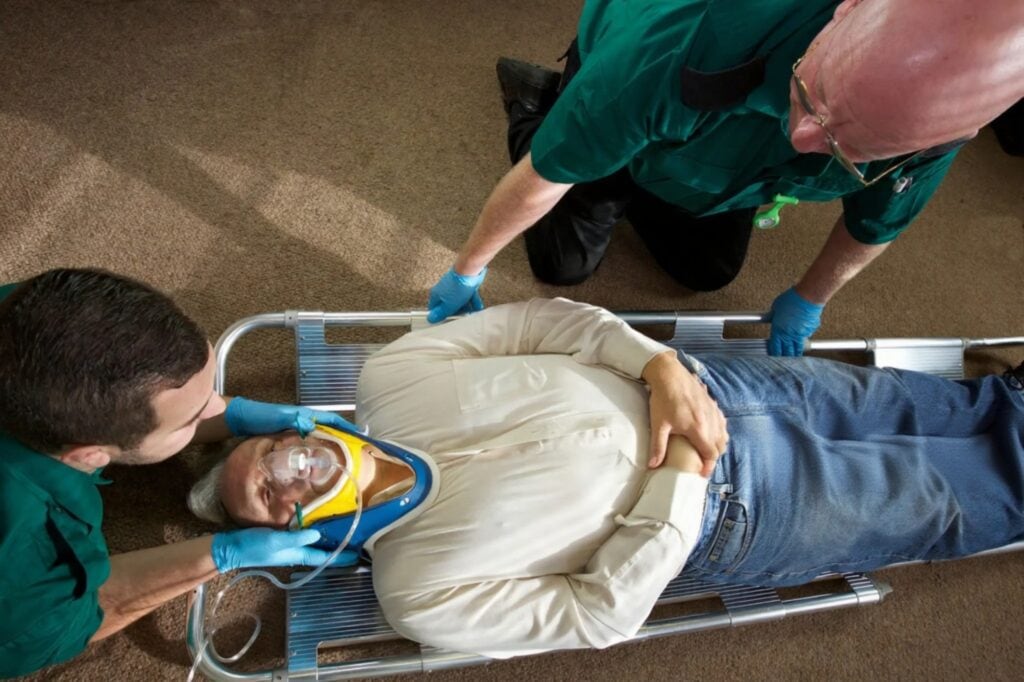
A scoop stretcher, sometimes called a clamshell stretcher, is designed to split into two halves that can be slid under the patient from either side. Once joined together, the stretcher “scoops” up the patient with minimal movement.
According to the National Library of Medicine, reducing unnecessary movement is critical for suspected spinal or pelvic injuries. The scoop stretcher makes this possible.
Core Features of Scoop Stretchers:
- Split design: Two halves connect securely around the patient
- Adjustable length: Fits patients of different heights
- Lightweight materials: Commonly aluminum or high-strength composite
- Radiolucent: X-ray and imaging compatible
- Quick transfer capability: Patients can be moved directly to a spine board or ambulance stretcher
When to Use a Scoop Stretcher
Not every emergency requires a scoop stretcher, but in certain situations, it is the best choice.
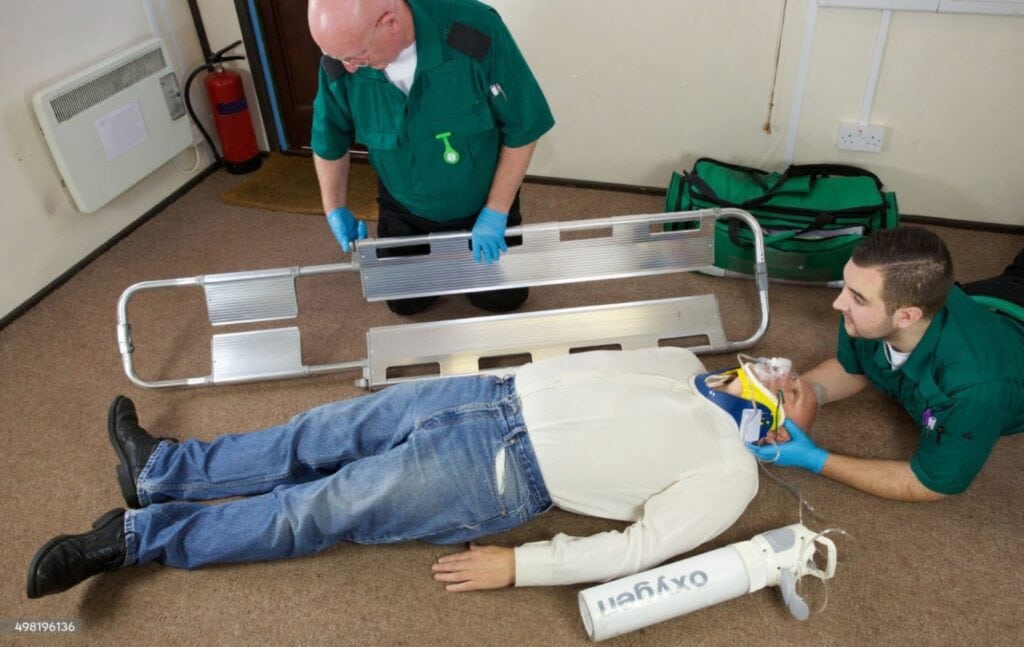
- Spinal injuries: When rolling the patient could cause harm
- Pelvic or limb trauma: Keeps the body stable during movement
- Confined spaces: Ideal for car crashes or collapsed buildings
- Short transfers: Moving patients from the accident site to another stretcher or ambulance cot
For a detailed look at scoop stretcher types and models, visit our guide: Scoop Stretcher Emergency Transport.
Scoop Stretcher vs. Other Stretchers
| Feature | Scoop Stretcher | Spine Board | Ambulance Stretcher |
|---|---|---|---|
| Best for | Suspected spinal or pelvic trauma | Full immobilization, long transport | General patient transfer |
| Patient movement | Minimal | Requires log roll | Requires lifting |
| Comfort | Moderate, short-term | Firm, less comfortable | Adjustable and padded |
| Radiolucent | Yes (modern models) | Yes | Sometimes |
| Duration of use | Short-term | Medium to long | Long-term |
(Source: NIH Emergency Medicine Guidelines)
Why Scoop Stretchers Are Essential for EMTs
For EMTs, scoop stretchers fill an important gap in patient care.
- Spinal and pelvic protection: Essential for trauma patients
- Speed: Assembles quickly and locks securely
- Portability: Lightweight and easy to carry in the field
- Workflow integration: Patients can be transferred seamlessly to spine boards or ambulance stretchers
This combination of safety and efficiency is why the phrase scoop stretcher EMT is widely searched among medical professionals.
Practical Considerations in EMS Operations
Using scoop stretchers effectively requires both the right equipment and the right training.
- Training: EMTs should regularly practice assembling and locking the stretcher to avoid mistakes in emergencies.
- Maintenance: Inspect locking mechanisms and disinfect after every use.
- Customization: Modern models allow adjustable lengths, color coding, and compatibility with immobilizers.
- Compliance: Choose stretchers certified under ISO 13485, CE, and FDA standards for safety and reliability.

Buying Guide for Organizations
Organizations procuring scoop stretchers should consider the following:
- Weight capacity: Most models support 160 kg or more
- Material selection: Aluminum for lightweight use, composites for durability
- Ease of cleaning: Resistant to disinfectants and bodily fluids
- Compatibility: Must work with cervical collars, head immobilizers, and spine boards
- Order flexibility: Suppliers should offer both trial orders and bulk procurement options
At Jiekang Rescue, we specialize in manufacturing EMS stretchers with global certifications, offering both standard and customizable solutions.
Conclusion
The scoop stretcher is not just another piece of rescue equipment—it is a critical tool designed to protect patients while saving time in emergencies. Its split design, adjustability, and imaging compatibility make it an essential choice for EMTs and rescue teams.
Understanding what a scoop stretcher is and when to use a scoop stretcher ensures organizations can make informed decisions for patient care.
👉 To explore scoop stretcher models and specifications, visit our in-depth page: Scoop Stretcher Emergency Transport.
👉 To see our full line of rescue products, visit Jiekang Rescue.