

When buyers compare aluminum scoop stretchers with plastic scoop stretchers, the question is rarely about material preference.
What they really want to know is which option performs better in real rescue conditions—wet environments, tight extrications, repeated cleaning, and high-pressure patient handling.
This guide breaks down aluminum and plastic scoop stretchers using practical, buyer-focused criteria, not marketing claims.
If you’re purchasing for EMS, rescue teams, hospitals, or distribution, this comparison will help you choose the right configuration for your actual use cases.
What a Scoop Stretcher Is Designed to Do
A scoop stretcher is not meant for long-distance transport.
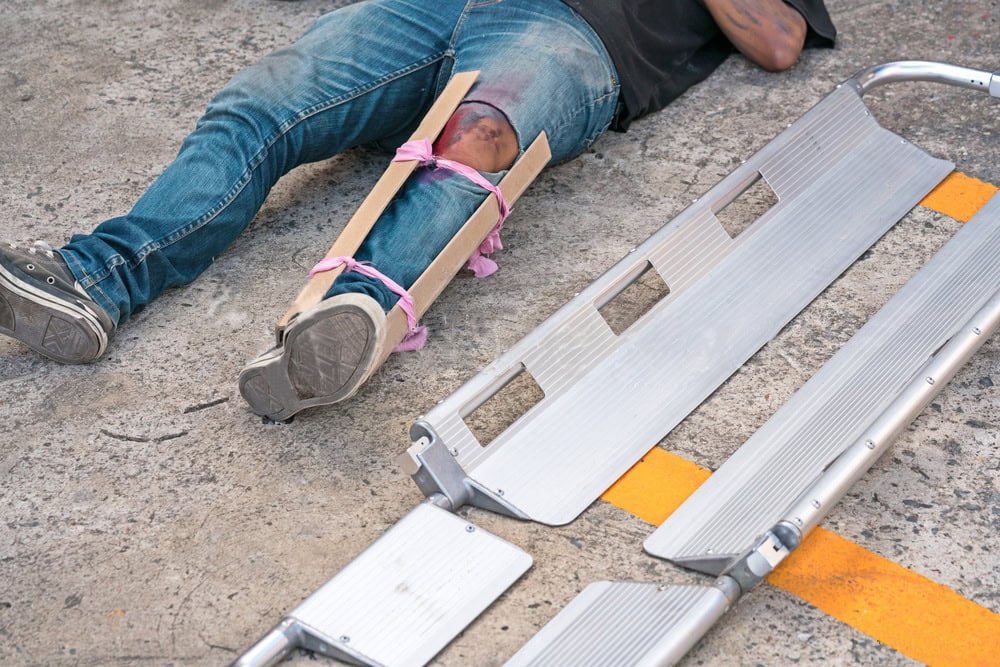
Its primary role is patient lifting and transfer with minimal movement, especially when spinal, pelvic, or hip injuries are suspected.
Unlike traditional stretchers, a scoop stretcher:
- Separates into two longitudinal halves
- Slides in from both sides of the patient
- Locks together without rolling or lifting the patient excessively
Material choice directly affects how the stretcher behaves during lifting, cleaning, imaging, and storage.
Quick Comparison Table
Below is a high-level comparison to frame the decision before we go deeper.
| Factor | Aluminum Scoop Stretcher | Plastic Scoop Stretcher |
|---|---|---|
| Corrosion resistance | Moderate (depends on coating & care) | High, especially in wet or coastal use |
| X-ray compatibility | Usually limited | Often X-ray translucent (model-dependent) |
| Rigidity | Very rigid under load | Varies by polymer and structure |
| Weight | Typically slightly heavier | Often lighter |
| Thermal comfort | Conducts heat/cold quickly | More neutral in extreme temperatures |
| Cleaning & disinfection | Durable, watch joints | Durable, check chemical compatibility |
| Typical use | General EMS, rugged handling | Water rescue, imaging-focused workflows |
Neither option is universally “better.” The right choice depends on environment and workflow.
Buyer Tests That Actually Decide the Better Option
Corrosion and Humid Storage
If your equipment is exposed to salt air, rain, or constant moisture, corrosion becomes a long-term cost issue.
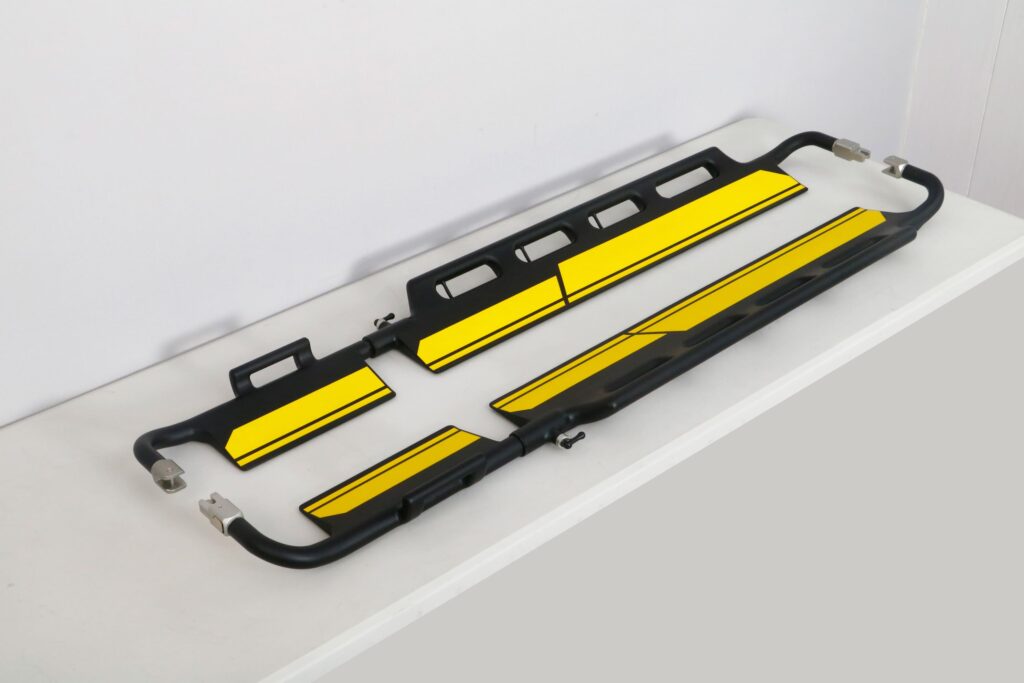
Plastic scoop stretchers generally perform better in:
- Coastal regions
- Marine or dock-based operations
- Boats and humid storage rooms
Aluminum models can perform well too, but surface treatment, rinse routines, and hardware inspection become more critical.
Imaging Compatibility
Imaging workflow is one of the clearest differentiators.
Many plastic scoop stretchers are designed to be X-ray translucent, allowing:
- Faster diagnostics
- Fewer patient transfers
- Reduced handling risk
Aluminum models typically block imaging and require patient transfer before scanning.
If imaging without repositioning matters in your protocol, plastic has a clear advantage.
Rigidity and Load Stability
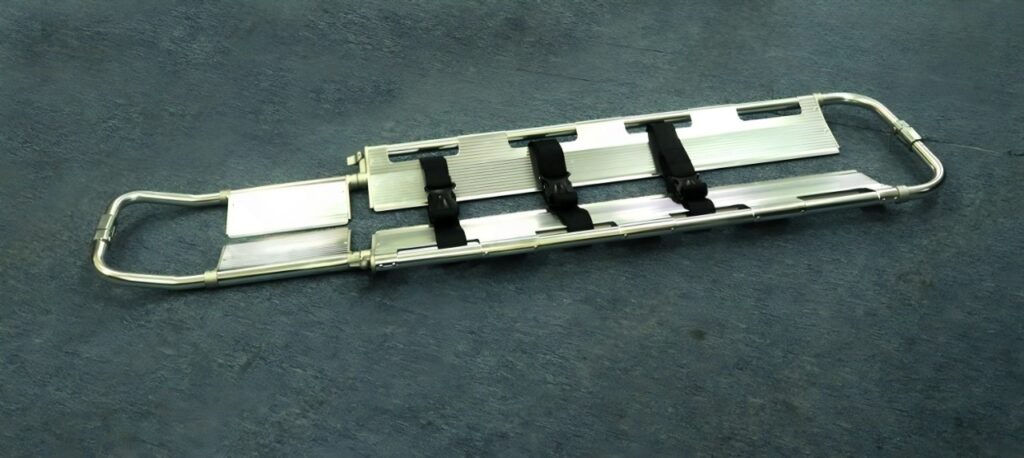
Aluminum scoop stretchers feel noticeably more rigid during lifting.
This matters when:
- Handling heavier patients
- Lifting with uneven team coordination
- Moving over stairs or rough ground
Plastic models vary widely. Well-designed polymer stretchers can be strong, but lower-grade designs may flex under load.
Patient Comfort and Pinch Risk
Poorly aligned locks or sharp inner edges can cause pinching during closure.
Regardless of material, buyers should look for:
- Smooth inner surfaces
- Precise lock alignment
- Clear visual or audible lock confirmation
Many teams include “check for pinching before locking” as a mandatory step in their SOP—and they should.
Performance in Wet or Water Rescue Conditions
Grip and control matter more than material labels when hands are wet or gloved.
Key things to evaluate:
- Handle shape and surface texture
- Lock reliability when wet or sandy
- Strap adjustment speed
Plastic stretchers are often preferred in water rescue because they tolerate repeated rinsing and wet storage better.
Cleaning, Disinfection, and Chemical Exposure
EMS equipment is cleaned aggressively and often.
Plastic models:
- Must be compatible with common disinfectants
- Can degrade if exposed to harsh chemicals not approved by the manufacturer
Aluminum models:
- Handle chemicals well
- Require attention to joints and locking mechanisms to prevent oxidation
Lock Reliability
Locks are the most common failure point—and the most overlooked during purchasing.
Buyers should favor:
- Simple mechanical designs
- Locks that can be rinsed easily
- Clear confirmation when fully engaged
Spare lock parts and fast replacement availability matter more than most buyers realize.
Speed of Deployment
The best scoop stretcher is the one your team can deploy correctly in under 30 seconds.
This depends more on:
- Ergonomics
- Training
- Clear procedures
Material choice matters less here than design and familiarity.
Total Cost of Ownership (TCO)
Unit price alone is misleading.
Real cost includes:
- Replacement straps and locks
- Cleaning-related wear
- Warranty support
- Supplier response time
A slightly higher upfront cost can be cheaper over the equipment’s service life.

Which One Is Better for Your Scenario?
Choose a Plastic Scoop Stretcher If…
- You operate in coastal, marine, or humid environments
- Water rescue is a frequent scenario
- Imaging compatibility is important
- Equipment is stored wet or frequently rinsed
Plastic models tend to reduce corrosion risk and simplify maintenance in these settings.
Choose an Aluminum Scoop Stretcher If…
- You prioritize maximum rigidity during lifting
- Equipment is used daily in general EMS operations
- Storage conditions are dry and controlled
- Crews prefer a “solid, rigid” feel under load
Aluminum models are often favored for their durability and structural confidence.
How to Use a Scoop Stretcher Safely (7-Step Checklist)
Even the best equipment fails if used incorrectly.
- Ensure scene safety and assess the patient
- Adjust stretcher length to patient height
- Separate the stretcher into two halves
- Slide each half in from either side
- Check for pinching before locking
- Lock head and foot ends securely
- Strap the patient and transfer per protocol
Minimal handling is the core value of a scoop stretcher—this checklist protects that advantage.
What to Ask Suppliers Before You Buy
Use these questions to filter suppliers quickly:
- Is the plastic model fully X-ray translucent?
- What load testing standards are used?
- How do locks perform when wet or sandy?
- Are straps and carry bags included?
- What spare parts are available and how fast can they ship?
- What warranty and after-sales support is provided?
For reference, scoop stretcher options can be reviewed here:
Final Takeaways and Next Steps
There is no universal winner between aluminum and plastic scoop stretchers.
The better choice depends on environment, workflow, and patient-handling priorities.
Many professional buyers standardize both types:
- Plastic for water and coastal operations
- Aluminum for general EMS and high-frequency lifting
We are a factory-direct manufacturer specializing in B2B rescue and patient handling equipment, supporting bulk orders, OEM customization, and long-term supply.
- Learn more about our factory: https://jiekangrescue.com/about-us/
- Request pricing, catalogs, or samples: https://jiekangrescue.com/contact-us/
- Homepage: https://jiekangrescue.com/